 Fabric Protection Warranty Plan

Loose, rippled carpet can make an otherwise well-kept home look worn out, but wrinkles do not always mean the carpet needs to be replaced. For homeowners in Red Bank, NJ, figuring out whether the carpet can be re-stretched first may prevent an unnecessary replacement expense.
Quick answer: Carpet re-stretching is usually worth considering when the carpet is still in good overall condition but has developed wrinkles, waves, bubbles, or loose areas. Replacement becomes the better option when the carpet has significant wear, permanent stains, damaged backing, widespread deterioration, or other problems that stretching cannot correct. A professional evaluation can help determine which option makes financial sense.
What local homeowners should know
-
Carpet with wrinkles or loose areas may still have years of useful life if the fibers, backing, and padding remain in suitable condition.
-
Homes in Red Bank and surrounding Monmouth County communities can have carpet installed over a variety of subfloors and in rooms with different moisture and temperature conditions.
-
Re-stretching addresses looseness and buckling, but it does not repair worn fibers, permanent staining, or seriously damaged carpet backing.
-
Furniture movement, installation issues, normal wear, and changes in indoor conditions can all contribute to carpet becoming loose.
-
The right choice should be based on the carpet’s overall condition, not simply its age or the presence of a few wrinkles.
For local homeowners, that distinction matters because replacing an entire room or several rooms of carpet can be a much larger project than correcting a stretching problem. Homes around Broad Street, the Navesink River, and nearby communities such as Fair Haven, Little Silver, Shrewsbury, and Middletown also vary considerably in age and construction, making an individual assessment more useful than a one-size-fits-all rule.
Lov n Kare Carpet Center helps area homeowners evaluate flooring concerns and understand their options. We can help determine whether existing carpet is a reasonable candidate for professional re-stretching or whether replacement would provide better long-term value.
Is Carpet Re-Stretching Worth It in Red Bank?
Carpet re-stretching can be worth it in Red Bank when the carpet remains structurally sound and the primary problem is looseness, rippling, or buckling. Correcting those problems can improve appearance and reduce the need to replace usable flooring simply because it no longer lies flat.
Re-stretching generally involves pulling the existing carpet tight again and properly securing it around the perimeter. The goal is to remove excess slack so the carpet sits smoothly across the floor.
The important distinction is between a carpet that is loose and one that is worn out. Re-stretching can address the first problem. It cannot reverse substantial fiber wear, widespread staining, water damage, or deterioration of the carpet itself.
What Local Homeowners Should Look at Before Deciding
The condition of the carpet, padding, seams, backing, and edges should determine whether re-stretching or replacement is the better choice. Red Bank homeowners can start by looking beyond the visible wrinkle and considering how the entire floor covering is performing.
A carpet may be a good candidate for re-stretching when the surface still looks good, there are no major damaged areas, and the main complaint is that the carpet has become loose.
Replacement may make more sense when several problems appear at once. For example, heavily worn traffic lanes combined with permanent stains and damaged seams suggest that tightening the carpet would improve only one part of a larger flooring problem.
Local Data or Field Considerations
The most useful local consideration is the condition of the individual installation rather than a citywide rule about carpet lifespan. Without verified property-specific information, homeowners should avoid assuming that carpet needs replacement simply because of its age or because another nearby home had a similar-looking problem.
Red Bank includes older homes, renovated properties, apartments, condos, and newer interiors. Flooring conditions can therefore vary from one property to the next. Room dimensions, previous installation methods, subfloor condition, furniture movement, indoor humidity, and normal household traffic can all affect how carpet performs over time.
A hands-on inspection is the most reliable way to separate a stretching issue from a replacement issue.
How Loose Carpet Can Affect a Red Bank Home
Loose carpet can affect appearance, comfort, and everyday usability even when the carpet itself still has useful life remaining. Ripples are particularly noticeable across larger rooms, hallways, and open areas where light makes raised sections easier to see.
Wrinkles can also become increasingly inconvenient in frequently used parts of the home. A small ripple that is barely noticeable along a wall may be different from a raised section running through a primary walkway.
For homeowners preparing to update a room, rearrange furniture, or improve the overall appearance of a property, correcting loose carpet may be a practical place to start before considering complete replacement.
What Are the Warning Signs That Carpet Needs Attention?
Visible ripples, movement underfoot, lifted edges, and recurring loose areas are common signs that carpet should be evaluated. Red Bank homeowners should pay particular attention when the condition is becoming more noticeable rather than remaining stable.
Watch for:
-
Waves or wrinkles extending across a room
-
Carpet that shifts or moves underfoot
-
Raised areas near doorways or transitions
-
Edges pulling away from the perimeter
-
Seams that appear stressed or separated
-
Ripples that return after furniture is moved
-
Significant wear in the same areas where the carpet is loose
-
Damage to the backing, padding, or carpet fibers
The combination of symptoms matters. One otherwise healthy carpet with a few ripples presents a different decision than carpet showing widespread deterioration.
When Should You Call a Carpet Professional?
A professional evaluation makes sense when carpet is visibly buckled, repeatedly becomes loose, or shows damage that makes the repair-versus-replacement decision unclear. Homeowners can safely inspect the surface, note where wrinkles occur, and check for obvious stains or wear, but proper stretching requires appropriate equipment and technique.
Trying to pull or tack carpet manually can produce uneven tension or create new problems around seams and transitions. Professional assessment is especially useful when multiple rooms are affected or when the homeowner does not know how the carpet was originally installed.
For properties throughout the greater Red Bank area, an evaluation can also clarify whether the existing carpet is worth preserving before money is committed to new flooring.
What Commonly Causes Carpet to Become Loose?
Carpet can become loose because of installation conditions, movement, wear, environmental changes, or stress placed on the flooring over time. In Monmouth County homes, the exact cause may vary by room and property.
Common contributors include:
-
Insufficient tension during installation. Carpet that was not properly stretched when installed may develop wrinkles later.
-
Heavy furniture movement. Dragging furniture across carpet can place substantial stress on the flooring.
-
Normal household traffic. Busy hallways, family rooms, and other frequently used spaces experience repeated movement and pressure.
-
Changes in indoor conditions. Temperature and humidity can affect flooring materials and the environment surrounding an installation.
-
Problems beneath the carpet. Padding, tack strips, subfloor conditions, or other installation components may influence how securely the carpet remains in place.
Identifying the likely cause helps determine whether re-stretching is likely to be worthwhile.
Can Carpet Wrinkles Be Prevented?
Some carpet wrinkles can be prevented by proper installation, careful furniture movement, routine inspection, and prompt attention when looseness first appears. Local homeowners do not need to wait until a small ripple stretches across an entire room before having it evaluated.
Avoid dragging heavy furniture whenever possible. After moving large pieces, look for areas where the carpet appears pulled or raised. Also pay attention to transitions between carpet and hard flooring, particularly in busy parts of the home.
DIY inspection is reasonable. DIY stretching is different. Achieving consistent tension across a room requires more than simply pulling on a loose edge.
What Results Can You Expect From Re-Stretching?
Successful carpet re-stretching should leave suitable existing carpet flatter, tighter, and better secured, but it will not make old or damaged carpet new again. Expectations should depend on the carpet’s condition before service.
Wrinkles and excess slack are the problems re-stretching is designed to address. Existing stains, faded areas, worn fibers, or other permanent cosmetic damage may remain afterward.
If the carpet is already near the end of its useful condition, replacement may provide a more complete improvement. The goal is to spend money on the solution that addresses the actual problem.
What Mistakes Can Make the Decision More Expensive?
Replacing repairable carpet too quickly or repeatedly attempting temporary fixes can make a flooring problem more expensive than necessary. Red Bank homeowners can avoid unnecessary costs by determining the cause before choosing a solution.
Mistake: Assuming every wrinkle means replacement.
Consequence: Usable carpet may be removed unnecessarily.
Better approach: Have the carpet’s overall condition evaluated first.
Mistake: Focusing only on appearance.
Consequence: Damage to backing, padding, seams, or other components may be overlooked.
Better approach: Consider the entire installation.
Mistake: Trying to hide ripples beneath furniture.
Consequence: The underlying looseness remains unresolved.
Better approach: Determine why the carpet is no longer lying flat.
A Common Red Bank Carpet Scenario
A common local scenario is a homeowner noticing waves across an otherwise presentable carpet after years of normal household use. The fibers may still look acceptable, and the homeowner may assume that replacement is the only way to restore a smooth appearance.
In that situation, the first question should be whether the carpet itself has failed. If the carpet and supporting components remain suitable, re-stretching may address the main concern without replacing the entire floor covering.
If inspection reveals extensive wear or damage, replacement becomes easier to justify because it solves more than a tension problem.
Which Flooring Services Can Help?
Carpet evaluation, professional re-stretching, and replacement flooring options address different stages of carpet condition. The right service depends on whether the existing material is worth preserving.
We can help homeowners assess loose carpet and explore appropriate flooring solutions based on what is actually happening in the room. If re-stretching is appropriate, the focus is on correcting looseness. If replacement is the better option, homeowners can consider new flooring instead of investing further in deteriorated carpet.
Carpet Re-Stretching vs. Replacement: Which Should You Choose?
Choose re-stretching when good carpet is primarily loose, and consider replacement when wear or damage extends beyond what stretching can correct. The simplest comparison is to ask whether the problem is installation tension or the carpet itself.
| Consideration | Re-Stretching | Replacement |
|---|---|---|
| Wrinkles or ripples | Often appropriate | May be unnecessary |
| Carpet still looks good | Often worth evaluating | Depends on homeowner goals |
| Heavy permanent staining | Does not correct stains | May be more appropriate |
| Significant fiber wear | Cannot restore worn fibers | Often worth considering |
| Damaged carpet backing | May limit suitability | May be necessary |
| Desire for a completely new look | Keeps existing carpet | Provides new material and style |
A professional inspection can clarify borderline situations before a homeowner commits to either option.
What Areas Do We Serve Around Red Bank?
We help customers in Red Bank and the surrounding area with carpet and flooring needs. Nearby Monmouth County communities include Fair Haven, Little Silver, Shrewsbury, and Middletown.
For homeowners throughout the area, the goal is the same: identify the flooring problem accurately before deciding how much work is actually necessary.
What Can Happen If You Ignore Loose Carpet?
Ignoring loose carpet can allow ripples and stressed areas to remain part of everyday foot traffic, potentially making the flooring more troublesome over time. Waiting can also make it harder to determine whether a relatively focused problem could have been addressed earlier.
Homeowners do not need to treat every small wrinkle as an emergency. However, visible buckling, worsening looseness, damaged seams, or raised areas in busy walkways deserve attention.
Frequently Asked Questions
Is carpet re-stretching cheaper than replacement in Red Bank, NJ?
Re-stretching generally involves keeping the existing carpet, while replacement requires new flooring materials and installation, so the scope of work is different. The actual cost depends on room size, carpet condition, installation details, and the work required. An evaluation is the best way to compare realistic options for a specific Red Bank home.
How do I know if my Red Bank carpet can be re-stretched?
Carpet may be suitable for re-stretching if it remains in good overall condition and looseness or rippling is the primary problem. Significant fiber wear, permanent damage, deteriorated backing, or other serious issues can make replacement more practical. The carpet and installation should be inspected before making that decision.
Why is my carpet developing wrinkles?
Carpet can develop wrinkles because of installation tension, heavy furniture movement, normal use, or conditions affecting the flooring system. In Red Bank and surrounding Monmouth County homes, construction and installation details vary considerably, so identifying the cause in the specific room is more useful than assuming all wrinkles have the same source.
Can I re-stretch carpet myself?
Homeowners can inspect loose carpet themselves, but proper re-stretching is generally better handled with professional carpet-stretching equipment and technique. Pulling at an edge or attempting to tighten one small section may not create even tension across the room and could affect seams, transitions, or the carpet itself.
Does re-stretching remove carpet stains?
No, re-stretching corrects looseness and wrinkles but does not remove permanent stains or restore worn carpet fibers. If a Red Bank homeowner has both buckling and substantial cosmetic damage, it is useful to consider the entire condition of the carpet before deciding whether repair or replacement offers better value.
Should I replace old carpet even if re-stretching is possible?
Not necessarily, because age alone does not determine whether re-stretching makes sense. The better question is whether the carpet remains in a condition you want to keep. If it still looks and performs well aside from looseness, preserving it may be reasonable. Widespread deterioration changes that calculation.
Can carpet wrinkles become a bigger problem?
Yes, loose areas can remain noticeable and may continue to interfere with the appearance and usability of a room. Raised carpet in frequently traveled areas also deserves attention. Homeowners in Red Bank should consider having worsening wrinkles evaluated rather than repeatedly moving furniture over them or trying to conceal them.
Do you need to replace carpet padding when re-stretching?
Not automatically, because the condition of the padding should be evaluated separately from the carpet’s tension. If the padding remains suitable, replacement may not be necessary solely because the carpet needs stretching. Damaged or deteriorated padding, however, can affect the overall flooring decision.
Make the Most of the Carpet You Already Have
For Red Bank homeowners, a few carpet wrinkles do not automatically mean it is time for a completely new floor. Understanding whether the problem is looseness, installation-related tension, or actual carpet deterioration can help you choose a solution that fits the condition of your home.
Find the Right Carpet Solution for Your Red Bank Home
Whether your carpet needs re-stretching or it is time to consider replacement, we can help you understand the available options without assuming that the biggest project is automatically the right one.
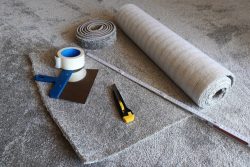 What Are The Benefits Of Restretching My Carpet?