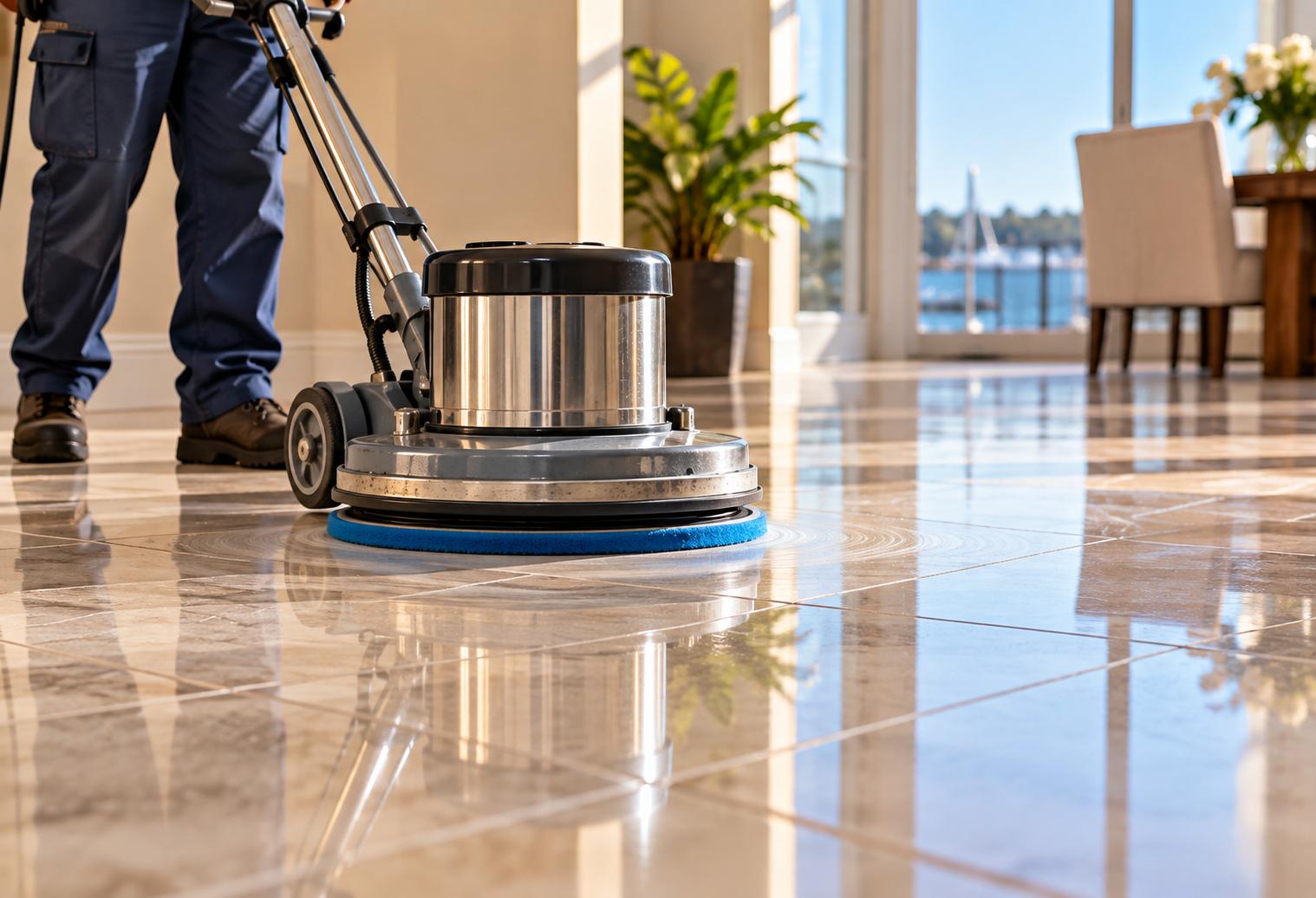
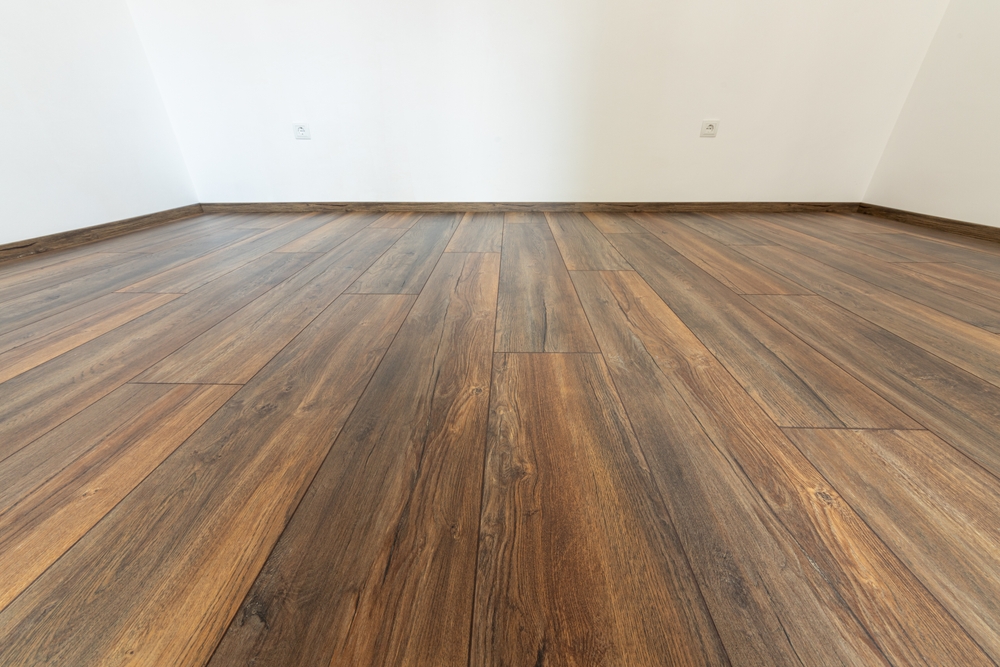
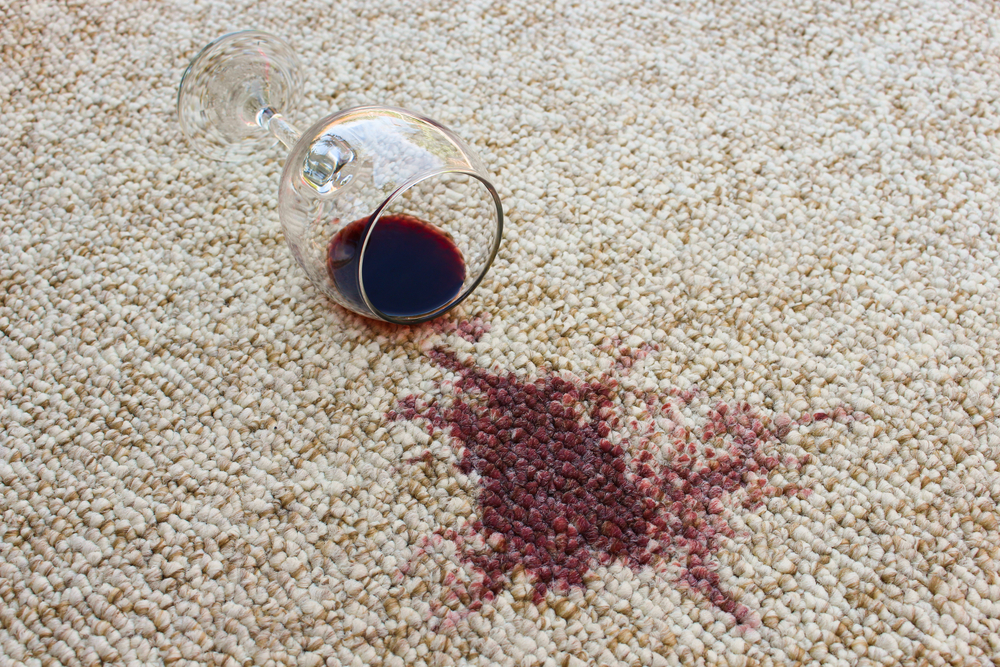
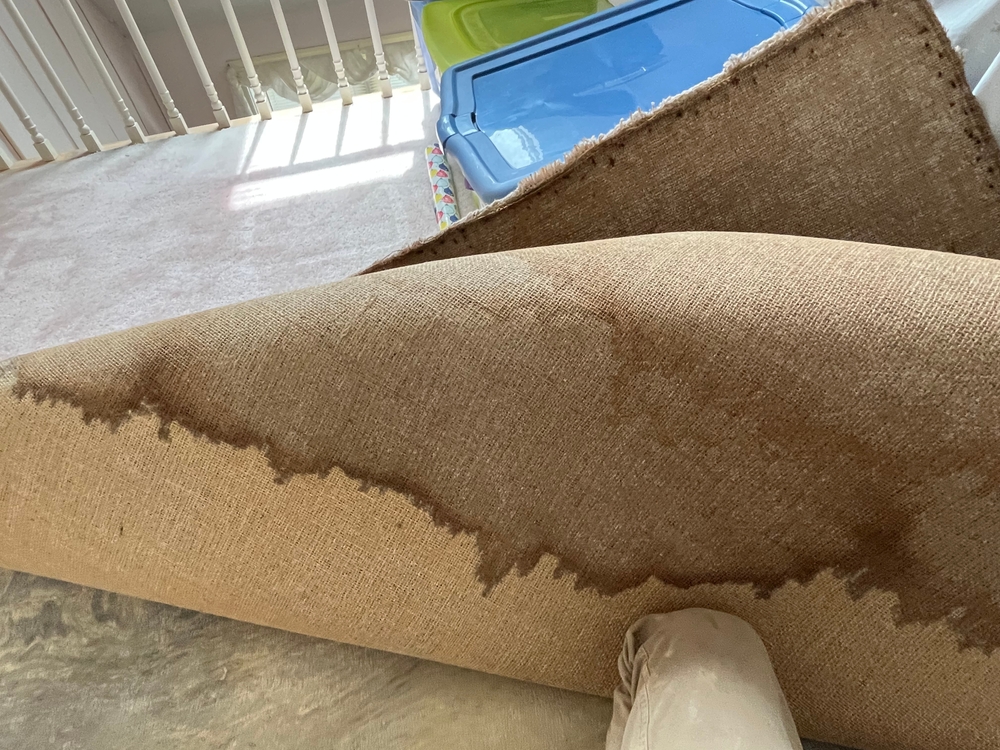
Tile floors are a practical choice for homes and businesses in South Amboy, NJ, but even regularly mopped surfaces can gradually lose their shine. Between tracked-in dirt, winter road salt, moisture, and everyday foot traffic, floors can develop a dull appearance that ordinary cleaning cannot correct. Knowing when tile buffing is appropriate can help property owners restore a cleaner, more attractive finish without unnecessary treatments.
Quick Answer:Tile buffing can improve the appearance of certain dull tile floors by addressing surface haze, light scuffing, and residue that routine mopping leaves behind. However, buffing is not appropriate for every tile material or finish. The best approach depends on whether the dullness comes from buildup, surface wear, damaged coatings, or the tile itself. A professional assessment can help determine whether cleaning, buffing, polishing, or another treatment is needed.
What South Amboy Property Owners Should Know
Not all tile can be buffed safely. Ceramic, porcelain, natural stone, and coated floors have different maintenance requirements.
Winter conditions matter. Road salt and gritty debris tracked into Middlesex County properties can leave residue and contribute to surface wear.
Humidity can complicate cleaning. Moisture and inadequate drying may leave visible streaks or haze on certain floors.
Grout requires separate attention. Buffing the tile surface does not necessarily remove embedded dirt or discoloration from grout lines.
Professional evaluation can prevent damage. Using the wrong pad, chemical, or polishing method may permanently alter a tile’s finish.
Why Do Tile Floors Lose Their Shine in South Amboy?
Tile floors in South Amboy commonly lose their shine because of accumulated cleaning residue, abrasive debris, surface wear, and moisture-related buildup. Properties near the Raritan Bay waterfront may also experience frequent damp conditions, making proper cleaning and drying especially important for maintaining attractive flooring.
In residential areas near Broadway and the South Amboy waterfront, entryways and kitchens often experience repeated exposure to outdoor dirt. During winter, grit and deicing materials carried indoors on shoes can gradually affect the appearance of tile surfaces.
Commercial properties face additional challenges. Frequent foot traffic, rolling equipment, and repeated cleaning can create uneven wear patterns, particularly near entrances and heavily used walkways.
At Lov n Kare Carpet Center, we understand that dull flooring does not always mean the tile needs replacement. Identifying the material and the source of discoloration is the first step toward choosing an appropriate cleaning or restoration method.
Local Data and Practical Floor Care Observations
Local floor care conditions are influenced by seasonal weather, pedestrian traffic, and the cleaning methods used inside each property. While no property-specific inspection data is available here, several practical observations help explain why tile surfaces in coastal Middlesex County can become difficult to maintain.
Winter creates opportunities for abrasive grit and salt residue to enter buildings. Spring rainfall can increase the amount of mud and moisture carried through entryways. Summer humidity may slow drying in poorly ventilated areas, while year-round foot traffic contributes to gradual surface wear.
These conditions do not automatically mean a floor needs buffing. A tile that appears cloudy after mopping may simply have detergent buildup, while a floor with a worn surface coating may need a different restoration process.
The distinction matters because aggressive buffing can damage some finishes rather than improve them.
How Dull Tile Floors Affect Local Homes and Businesses
Dull tile floors can affect the appearance, maintenance demands, and perceived cleanliness of homes and commercial spaces throughout the South Amboy area. Even when a floor has been cleaned, visible haze, uneven shine, and darkened grout can make the surface look neglected.
For homeowners, this may be especially noticeable in kitchens, bathrooms, hallways, and entryways where overhead lighting highlights surface imperfections.
For businesses along Broadway or near the South Amboy train station, flooring appearance can influence the impression customers receive when entering a space.
Surface buildup may also create maintenance concerns. Certain residues can make floors slippery, while embedded grit can continue contributing to wear.
Addressing these issues early can make routine floor care more manageable.
What Are the Warning Signs That Tile Needs Professional Attention?
Tile floors may need professional attention when dullness persists after appropriate cleaning, surface haze repeatedly returns, or visible wear affects the floor’s appearance. The following warning signs can help South Amboy property owners recognize when routine mopping is no longer producing satisfactory results.
Persistent dullness: The floor looks flat or cloudy even after it has been thoroughly cleaned and dried.
Uneven shine: High-traffic pathways look noticeably different from areas beneath furniture.
Visible scuff marks: Light surface marks remain despite routine cleaning.
Recurring streaks: Mop marks or cloudy patches reappear after drying.
Dirty grout lines: Grout remains discolored while the surrounding tile looks relatively clean.
Sticky or slippery residue: The floor feels coated or unusually slick after cleaning.
Worn surface coatings: Previously glossy areas appear patchy, scratched, or inconsistent.
Not every warning sign calls for buffing. Some indicate a need for deep cleaning, grout treatment, coating maintenance, or tile repair.
When Should You Call a Professional for Tile Buffing?
Professional tile floor evaluation is recommended when routine cleaning no longer improves the appearance of the surface or when the tile material and finish are uncertain. This is particularly useful for older Middlesex County properties where previous cleaning products or coatings may be unknown.
Homeowners can safely begin by checking the flooring manufacturer’s maintenance instructions and using an approved neutral cleaner.
However, professional guidance becomes more important when dealing with natural stone, polished surfaces, stubborn residue, or existing coatings.
Attempting to buff an unidentified tile with an abrasive pad can produce scratches or remove the intended finish. A professional can help determine whether mechanical buffing is suitable or whether another treatment would be safer.
What Commonly Causes Dull Tile Floors in South Amboy?
The most common causes of dull tile floors include cleaning product buildup, abrasive foot traffic, mineral deposits, and deterioration of surface finishes. In South Amboy, seasonal weather and everyday activity can contribute to several of these conditions.
1. Cleaning product residue
Using excessive detergent or failing to rinse appropriately can leave a thin film that makes tile appear cloudy.
2. Tracked-in sand and grit
Debris carried indoors from sidewalks, parking areas, and outdoor spaces can create fine scratches on susceptible finishes.
3. Winter salt residue
Deicing materials may leave visible deposits near entrances, particularly during repeated freeze-thaw weather.
4. Moisture and mineral deposits
Water that evaporates on a tile surface can leave mineral residue, depending on water composition and cleaning practices.
5. Worn coatings or finishes
Certain floors have protective coatings that become scratched or uneven over time. These may require specialized maintenance rather than conventional buffing.
Identifying the cause helps prevent unnecessary treatments and recurring problems.
How Can You Prevent Tile Floors From Becoming Dull?
Preventing dull tile floors starts with controlling abrasive debris, selecting suitable cleaning products, and maintaining a consistent cleaning schedule. South Amboy homeowners and businesses can reduce avoidable surface wear by adjusting their routines to seasonal conditions.
During winter, place appropriate entrance mats where road salt and grit are most likely to enter. Clean mats regularly so they do not become additional sources of debris.
In spring and summer, remove tracked-in dirt promptly and avoid allowing dirty water to dry on tile surfaces.
For routine maintenance:
Sweep or vacuum with a hard-floor-safe attachment before wet cleaning.
Use a cleaner approved for the specific tile and finish.
Follow product dilution and rinsing instructions.
Avoid abrasive pads unless the manufacturer recommends them.
Dry surfaces when necessary to reduce streaking and residue.
Inspect grout and protective coatings periodically.
Natural stone requires particular care because acidic cleaners and unsuitable abrasives can damage some stone types.
What Results Can You Expect From Professional Tile Buffing?
Professional tile buffing may improve surface clarity, reduce certain light scuffs, and create a more uniform appearance when the flooring material and finish are compatible with the process. Results depend on the condition of the floor and the cause of its dullness.
For suitable surfaces, buffing may help address superficial wear or improve an existing maintainable finish.
However, buffing cannot reliably remove deep scratches, repair cracked tiles, correct damaged grout, or restore every factory-applied glaze.
Some floors benefit more from professional deep cleaning. Others may require specialized polishing, coating maintenance, or replacement of damaged sections.
A realistic restoration plan should explain which improvements are possible before treatment begins.
Common Tile Buffing Mistakes to Avoid
Tile maintenance mistakes can make dullness worse when aggressive cleaning or polishing methods are used without considering the flooring material. Local property owners can avoid unnecessary damage by recognizing several common errors.
Mistake: Using abrasive pads on glazed tile. Consequence: The surface may become scratched or permanently dulled. Better approach: Confirm the manufacturer’s approved cleaning and maintenance methods.
Mistake: Applying additional floor polish to hide haze. Consequence: Incompatible products can create buildup or an uneven appearance. Better approach: Identify and remove existing residue using a tile-safe method.
Mistake: Mopping without removing grit first. Consequence: Loose particles may be dragged across the surface. Better approach: Sweep or vacuum before wet cleaning.
Mistake: Assuming dirty grout needs buffing. Consequence: Surface treatment may leave the actual problem unresolved. Better approach: Consider grout-specific cleaning or restoration.
A Common Local Scenario: Dull Entryway Tile After Winter
A common South Amboy flooring scenario involves an entryway that looks increasingly cloudy after months of winter foot traffic. The homeowner mops regularly, but a grayish film remains, especially near the front door.
The problem may involve a combination of road salt residue, cleaning product buildup, and fine surface scratches.
The appropriate first step is to identify the tile and test a manufacturer-approved cleaning method. If the haze remains, further evaluation can help distinguish removable deposits from actual finish wear.
For some floors, specialized cleaning may be sufficient. For compatible finishes, buffing or polishing may offer additional improvement.
This example illustrates a typical maintenance situation, not a documented customer project.
Which Professional Tile Floor Services Can Help?
Professional tile floor care can involve deep cleaning, grout cleaning, buffing, polishing, or specialized surface treatments depending on the material and condition. Selecting the correct service is more important than automatically choosing the most aggressive restoration method.
At Lov n Kare Carpet Center, we encourage property owners to consider the specific issue before selecting a treatment. Cleaning residue, grout discoloration, worn coatings, and damaged tile surfaces require different solutions.
For a floor that looks dull despite regular mopping, a material-specific assessment can help establish whether buffing is appropriate.
Tile buffing and deep cleaning serve different purposes. Deep cleaning focuses on removing dirt, grease, and residue, while buffing uses mechanical action to improve or maintain certain compatible surface finishes. The correct choice depends on the tile material and the reason the floor looks dull.
Floor condition
Potential approach
Dirt and detergent buildup
Tile-safe deep cleaning
Dark or stained grout
Grout cleaning or restoration
Light scuffs on a compatible finish
Appropriate buffing
Worn natural stone surface
Stone-specific honing or polishing
Cracked or severely damaged tile
Repair or replacement
For South Amboy properties with heavy entryway traffic, cleaning and grit control may be the most effective starting points.
Buffing should only be considered after confirming that the surface can tolerate the process.
Tile Floor Care in South Amboy and Nearby Communities
Tile floor maintenance concerns extend throughout South Amboy and nearby Middlesex County communities, including Sayreville, Perth Amboy, and Old Bridge. Properties across these areas experience similar seasonal challenges involving road grit, moisture, and indoor foot traffic.
Whether maintaining a residential kitchen or a busy commercial entryway, choosing the correct tile care method helps protect the floor’s appearance and condition.
What Happens If You Ignore Dull Tile Floors?
Ignoring dull tile floors can allow residue, abrasive particles, and surface wear to become more noticeable over time. While cosmetic dullness is not always urgent, ongoing exposure to grit or unsuitable cleaning products may contribute to additional deterioration.
For commercial properties, unattractive or slippery flooring can also create maintenance and safety concerns that deserve prompt attention.
Early evaluation may help distinguish a manageable cleaning issue from damage requiring more extensive work.
Frequently Asked Questions About Tile Buffing in South Amboy, NJ
1. Can dull tile floors be made shiny again?
Some dull tile floors can regain a more attractive finish through suitable cleaning, buffing, or polishing. The outcome depends on the material and whether the dullness comes from residue or permanent surface wear. Glazed ceramic and porcelain should not be aggressively polished without confirming the manufacturer’s recommendations.
2. How often should tile floors be buffed in South Amboy?
Tile buffing frequency depends on the floor material, finish, traffic level, and maintenance instructions. Some tile floors should not be buffed at all. Busy commercial entrances may need more frequent professional evaluation than residential rooms, particularly after winter conditions increase tracked-in grit and salt.
3. Is tile buffing safe for porcelain floors?
Tile buffing is not universally safe for porcelain floors. Many porcelain tiles have factory finishes that can be damaged by abrasive polishing. In Middlesex County homes, professional cleaning may be a better choice for dull porcelain. Always verify the tile type and manufacturer-approved maintenance method before mechanical treatment.
4. Can tile buffing remove scratches?
Buffing may reduce the appearance of some superficial marks on compatible surfaces, but it generally cannot eliminate deep scratches or damage to factory-applied glazes. Natural stone may require specialized honing or polishing. A proper assessment helps determine whether visible marks can be improved without further damaging the floor.
5. Why do my South Amboy tile floors look cloudy after mopping?
Cloudy tile floors often result from excess cleaning solution, inadequate rinsing, mineral deposits, or residue left behind as water dries. Winter salt tracked indoors may contribute to visible film near entrances. Using a tile-approved cleaner at the correct dilution can help determine whether buildup is causing the problem.
6. Does tile buffing also clean grout lines?
Tile buffing does not replace grout cleaning. Buffing primarily addresses compatible tile surfaces or their maintainable finishes, while grout often contains embedded dirt that requires separate cleaning methods. For kitchens, bathrooms, and entryways in South Amboy, evaluating both tile and grout can produce a more complete maintenance plan.
7. Is professional tile buffing worth it for a commercial property?
Professional buffing may be worthwhile for commercial flooring designed to tolerate the process, especially when surface wear affects appearance. Businesses in Sayreville, Perth Amboy, and surrounding communities should first confirm the flooring type. Appropriate maintenance can improve presentation while avoiding unnecessary disruption or potentially damaging treatments.
8. Should I buff my tile floors before selling my home?
Buffing may improve the presentation of compatible flooring, but deep cleaning is often the better first step. South Amboy homeowners preparing to sell should identify whether dullness comes from residue, worn finishes, or damaged tile. Selecting the correct treatment can improve appearance without creating additional repair needs.
Bring Back a Cleaner, More Attractive Look to Your Tile Floors
Dull tile does not always need replacement, but it does need the right approach. For property owners in South Amboy and surrounding Middlesex County communities, understanding the difference between cleaning, buffing, and restoration is essential to protecting flooring.
At Lov n Kare Carpet Center, we believe informed floor care decisions begin with understanding the surface and the results each treatment can realistically provide.
Give Your South Amboy Tile Floors the Attention They Deserve
Find out which floor care approach may help improve appearance while protecting your tile’s existing finish.
Hardwood floors add warmth and character to homes throughout South Amboy, NJ, but everyday foot traffic, tracked-in dirt, and seasonal moisture can leave them looking dull. Whether you live in an older home near Broadway or a property closer to the Raritan Bay waterfront, maintaining your floors’ natural shine requires more than applying a coat of wax.
The challenge is knowing whether your hardwood floors actually need waxing or a different type of care.
Quick Answer:Hardwood floor waxing can restore shine and provide a protective layer on certain traditional wax-finished floors. However, most modern polyurethane-finished hardwood floors should not be waxed. Applying wax to an incompatible finish can create buildup, slippery surfaces, and complications with future refinishing. Before waxing hardwood floors in South Amboy, identify the existing finish, clean the surface properly, and choose a maintenance method designed for that flooring.
What South Amboy Homeowners Should Know About Hardwood Floor Waxing
Not every hardwood floor should be waxed. Traditional wax finishes may benefit from periodic maintenance, while polyurethane and other modern finishes generally require different products.
Coastal moisture can affect hardwood floors. Homes near Raritan Bay may experience seasonal humidity changes that contribute to wood expansion and contraction.
Older homes may have different floor finishes. Some established properties around downtown South Amboy may contain hardwood flooring that has been refinished multiple times.
Cleaning comes before restoring shine. Dirt, grit, and old product residue can prevent an even appearance and contribute to surface scratches.
Professional finish identification can prevent costly mistakes. Understanding the existing coating helps determine whether cleaning, buffing, waxing, or refinishing is appropriate.
For homeowners in Middlesex County, protecting hardwood floors means accounting for both the finish and the local environment.
At Lov n Kare Carpet Center, we understand the importance of choosing floor care methods that preserve the appearance and condition of hardwood surfaces. The right approach begins with identifying what the floor needs rather than assuming that every dull surface requires wax.
Local Hardwood Floor Conditions in South Amboy, NJ
Hardwood floor conditions in South Amboy are influenced by seasonal humidity, coastal exposure, winter moisture, and everyday household activity. These factors can affect how wood flooring looks and performs, making consistent cleaning and appropriate finish maintenance especially important.
The city’s location along Raritan Bay and near the Raritan River creates a coastal setting where moisture management deserves attention. Although indoor humidity depends on ventilation, heating, cooling, and building conditions, seasonal changes can influence wood flooring.
During humid summer weather, hardwood can absorb moisture and expand. In winter, indoor heating can lower relative humidity, potentially contributing to gaps between boards.
Homes near the South Amboy waterfront, Broadway, and the South Amboy train station may also experience different levels of foot traffic and tracked-in debris depending on household activity.
These are general regional conditions rather than measurements from individual homes. A floor’s actual condition must be evaluated before selecting a treatment.
How Dull Hardwood Floors Affect Local Homes
Dull hardwood floors can make an otherwise well-maintained South Amboy home appear worn, even when the wood itself remains structurally sound. The impact is often cosmetic at first, but neglected grit, moisture, or incompatible cleaning products can contribute to more significant finish problems.
A loss of shine may indicate:
Surface dirt or residue that ordinary cleaning has not removed.
Minor scratches that scatter reflected light.
An aging protective finish.
Previous applications of polish or wax that have created buildup.
Moisture-related changes affecting the flooring’s appearance.
In homes with busy entryways, children, pets, or frequent visitors, finish wear may become especially noticeable along walking paths.
Restoring the appropriate level of shine can improve the floor’s appearance while helping homeowners recognize when additional maintenance is necessary.
Warning Signs Your Hardwood Floors Need Attention
Hardwood floors that appear dull, uneven, sticky, or scratched may need cleaning, finish maintenance, or professional evaluation before waxing. Recognizing the warning signs helps South Amboy homeowners avoid applying products that could make the problem worse.
Watch for these seven indicators:
Persistent dullness: The floor no longer reflects light evenly after proper cleaning.
Cloudy or hazy patches: Residue from cleaning products or incompatible polishes may be affecting the surface.
Visible surface scratches: Fine scratches are especially noticeable near doorways and frequently used hallways.
Sticky areas: Excess cleaning solution or accumulated floor treatments may leave an unpleasant residue.
Uneven shine: Some sections look glossy while others appear noticeably worn.
Darkened wood or water marks: These may indicate moisture exposure or damage that waxing will not correct.
Peeling or flaking finish: A failing surface coating may require refinishing rather than routine maintenance.
Deep scratches, exposed wood, loose boards, or moisture damage should be evaluated before attempting any shine-restoration treatment.
When Should You Call a Hardwood Floor Care Professional?
Professional hardwood floor care is worth considering when the existing finish is unknown, dullness persists after appropriate cleaning, or the surface shows significant wear. An evaluation can help determine whether the floor is suitable for waxing or requires a different restoration method.
Homeowners can safely begin by inspecting the floor under good lighting, checking product labels, and removing loose dirt with a hardwood-safe vacuum attachment or soft microfiber dust mop.
However, testing unfamiliar waxes, aggressive cleaners, or abrasive equipment across an entire room creates unnecessary risk.
For older homes in South Amboy and nearby Perth Amboy, finish identification is particularly useful because previous owners may have applied different coatings over the years.
Before scheduling a treatment, ask whether the provider evaluates existing finishes and whether the proposed service is compatible with your flooring.
Common Causes of Dull Hardwood Floors in South Amboy
The most common causes of dull hardwood floors include abrasive debris, cleaning-product buildup, finish wear, and moisture exposure. In South Amboy, seasonal weather and household traffic can make these problems more noticeable, particularly near entrances and heavily used living spaces.
1. Tracked-In Dirt and Grit
Sand, soil, and other abrasive particles can scratch a floor’s protective coating when people walk across them.
Homes near waterfront recreation areas or busy streets may benefit from extra attention to entryway cleaning.
2. Improper Cleaning Products
Some multipurpose cleaners, oil soaps, and shine-enhancing products leave residue or are incompatible with particular finishes.
Repeated use may produce cloudy patches rather than a clean, consistent appearance.
3. Seasonal Moisture
Wet shoes, snow, and road salt during New Jersey winters can expose hardwood floors to unwanted moisture and residue.
Standing water can damage both wood and finishes, so prompt cleanup is essential.
4. Normal Finish Wear
Over time, walking, moving furniture, and routine household activity gradually wear protective coatings.
Waxing cannot replace missing polyurethane or repair substantial finish deterioration.
5. Previous Wax or Polish Applications
Old floor treatments may accumulate in layers, causing uneven shine and attracting dirt.
Removing this buildup may require a finish-specific process rather than additional wax.
How to Maintain Hardwood Floor Shine Without Causing Damage
Maintaining hardwood floor shine in South Amboy starts with gentle cleaning, controlled indoor humidity, and products compatible with the existing finish. These practices can reduce unnecessary wear and help homeowners avoid frequent restoration treatments.
Follow these maintenance steps:
Remove loose debris regularly. Use a soft microfiber dust mop or a vacuum suitable for hardwood flooring.
Clean with an approved product. Select a cleaner recommended for the floor’s finish and avoid excessive water.
Dry moisture promptly. Wipe up spills, wet footprints, and winter slush before moisture reaches seams.
Protect furniture contact points. Install appropriate felt pads under chair and table legs.
Use entryway mats. Place mats at exterior doors to reduce grit and moisture tracked inside.
Monitor indoor humidity. Follow the flooring manufacturer’s recommended humidity range, often around 35% to 55% relative humidity.
Avoid unnecessary wax applications. Do not wax unless the existing finish is confirmed to be compatible.
Spring and fall are useful times for homeowners to inspect floors for seasonal changes, worn areas, and accumulated residue.
What Results Can You Expect From Hardwood Floor Waxing?
Proper hardwood floor waxing can improve the sheen of compatible wax-finished flooring, but it cannot repair every type of surface damage. Results depend on the condition of the wood, the existing finish, previous treatments, and the preparation performed beforehand.
On a suitable traditional wax finish, maintenance may produce:
A more consistent surface sheen.
Improved appearance in lightly worn areas.
A renewed sacrificial wax layer.
Easier routine maintenance when compatible products are used correctly.
However, waxing will not reliably eliminate deep gouges, correct warped boards, remove dark moisture stains, or restore a failing polyurethane coating.
A realistic assessment helps homeowners choose between routine maintenance and more extensive floor restoration.
Common Hardwood Floor Waxing Mistakes to Avoid
The biggest hardwood floor waxing mistake is applying wax without identifying the existing finish. This can create unnecessary buildup, affect appearance, and complicate future recoating or refinishing.
Common Mistake
Possible Consequence
Better Approach
Waxing polyurethane floors
Adhesion problems and residue
Confirm finish compatibility first
Applying too much wax
Hazy, sticky, or slippery areas
Use thin coats only when appropriate
Skipping surface cleaning
Dirt trapped beneath treatment
Clean and prepare the floor
Using excessive water
Swelling, staining, or finish damage
Use minimal moisture
Using harsh abrasives
Scratches and premature wear
Choose finish-safe tools
Waxing over damaged wood
Damage remains visible
Evaluate repair or refinishing
For Middlesex County homeowners preparing for a flooring project, avoiding these mistakes can save time and reduce the risk of additional restoration work.
Common Local Scenario: Restoring Shine in an Older South Amboy Home
An older South Amboy home with original hardwood flooring may develop uneven shine in the living room, hallway, and entryway after years of everyday use. The homeowner may assume that a fresh coat of floor wax will make the entire surface look new again.
However, the existing finish might be polyurethane applied during a previous renovation.
In that situation, waxing could create problems rather than solve the dullness.
A more appropriate approach would be to identify the finish, check for accumulated cleaning residue, assess surface scratches, and determine whether professional cleaning or a compatible recoating process would be beneficial.
This is an illustrative local scenario, not a documented customer project.
Hardwood Floor Care and Restoration Options
Hardwood floor care solutions range from routine cleaning to professional recoating and refinishing. The appropriate choice depends on whether the problem involves surface dirt, a compatible wax finish, worn protective coating, or damage extending into the wood.
At Lov n Kare Carpet Center, we encourage homeowners to understand these distinctions before choosing a floor treatment.
Hardwood Floor Cleaning
Finish-compatible cleaning can remove surface dirt and some residues that make hardwood look dull.
Wax Maintenance
Traditional wax-finished floors may benefit from careful buffing or reapplication using an appropriate product.
Screen and Recoat
Some polyurethane-finished floors with surface wear may qualify for light abrasion and a new compatible topcoat, provided the existing coating is sound and free of contaminants that interfere with adhesion.
Hardwood Floor Refinishing
Sanding and refinishing may be appropriate when scratches, stains, or finish deterioration extend beyond what surface maintenance can address.
Not every floor can be sanded, especially if the wear layer is too thin.
Hardwood Floor Waxing vs. Other Restoration Methods
Waxing is appropriate primarily for compatible wax-finished floors, while cleaning, recoating, or refinishing may be better choices for other hardwood surfaces. Comparing these options helps South Amboy homeowners avoid unnecessary treatments.
Method
Best For
Main Limitation
Routine cleaning
Dirt and light surface residue
Does not replace worn finish
Waxing and buffing
Compatible traditional wax finishes
Unsuitable for many modern coatings
Screen and recoat
Sound, compatible finish with surface wear
Cannot correct deep wood damage
Full refinishing
Significant scratches or finish failure
More disruptive and removes wood material
Board repair
Localized physical or moisture damage
May require matching existing flooring
DIY cleaning is often reasonable when the finish and recommended products are known. Mechanical buffing, stripping, recoating, and refinishing generally require greater expertise and equipment.
Hardwood Floor Care in South Amboy and Nearby Communities
Homeowners in South Amboy, Sayreville, Perth Amboy, and neighboring Middlesex County communities face similar challenges involving seasonal humidity, winter moisture, and household wear. Properties near Raritan Bay and the surrounding waterfront may benefit from particular attention to moisture control.
Whether your home has original hardwood flooring or a more recent installation, finish compatibility should guide every maintenance decision.
The Cost of Ignoring Dull or Damaged Hardwood Floors
Ignoring dull hardwood floors can allow preventable surface wear or moisture-related damage to progress, particularly when protective finishes are already deteriorating. The eventual cost depends on the flooring material, extent of damage, and restoration method required.
A floor that needs only appropriate cleaning today may later require recoating if abrasive grit continues wearing the finish.
Likewise, untreated water intrusion can lead to staining, cupping, or damage that ordinary waxing cannot resolve.
The goal is not to treat every dull spot as an emergency. It is to distinguish cosmetic dullness from developing damage before selecting a solution.
Frequently Asked Questions About Hardwood Floor Waxing in South Amboy, NJ
1. Can all hardwood floors in South Amboy be waxed?
No, not all hardwood floors in South Amboy are suitable for waxing. Traditional wax-finished floors may benefit from wax maintenance, but polyurethane, factory-finished, and other modern coatings generally require different care. Identifying the finish before applying any product helps prevent buildup, uneven appearance, and potential refinishing complications.
2. How often should hardwood floors be waxed?
Hardwood floors should be waxed only when they have a compatible wax finish and their condition calls for maintenance. Frequency depends on foot traffic, the wax product, and manufacturer guidance. Many modern hardwood floors should never be waxed, regardless of how dull they appear.
3. Does coastal humidity affect hardwood floors near Raritan Bay?
Yes, seasonal humidity changes can affect hardwood floors near Raritan Bay because wood naturally absorbs and releases moisture. Excessive humidity may contribute to expansion, while overly dry indoor air may cause gaps. Maintaining a stable indoor environment and promptly cleaning spills helps reduce moisture-related flooring problems.
4. Can waxing remove scratches from hardwood floors?
Waxing may make very minor surface imperfections less noticeable on compatible wax-finished flooring, but it does not remove deep scratches or repair damaged wood. For South Amboy homeowners dealing with visible gouges, exposed wood, or extensive finish wear, recoating or refinishing may be more appropriate.
5. Is hardwood floor waxing safe for older homes in Middlesex County?
Hardwood floor waxing can be suitable for older Middlesex County homes when the flooring has a compatible wax finish. However, the age of a home does not establish the type of floor coating. Previous renovations may have introduced polyurethane or other finishes, so identifying the existing treatment is essential.
6. Can I use store-bought floor polish instead of wax?
Store-bought floor polish is not automatically safer or more appropriate than wax. Some products leave coatings or residues that interfere with future maintenance. Choose only products specifically approved for your floor’s finish, and avoid applying shine-enhancing treatments when the existing coating is unknown.
7. What is the best time of year for hardwood floor maintenance in South Amboy?
Hardwood floor maintenance can be performed throughout the year, provided indoor conditions and product requirements are suitable. Spring is a useful time to inspect winter moisture exposure, while fall offers an opportunity to prepare for wet shoes and seasonal heating. Routine dry cleaning should continue year-round.
8. Will hardwood floor waxing make the surface slippery?
Hardwood floor waxing can create a slippery surface if the wrong product is used, excessive wax is applied, or residue remains after treatment. Proper application and buffing are important on compatible finishes. Homeowners should also follow product instructions and keep people off treated floors until they are safe to use.
9. How do I know whether my hardwood floor needs refinishing instead of waxing?
Hardwood floors may need refinishing instead of waxing when the protective coating is peeling, large areas of bare wood are exposed, or scratches extend into the wood. A professional evaluation can help South Amboy homeowners determine whether cleaning, recoating, localized repair, or full refinishing is the better option.
10. Can professional hardwood floor care help extend the life of my floors?
Appropriate professional hardwood floor care can help preserve existing finishes and identify problems before additional damage occurs. The benefit depends on the floor’s condition and the service performed. In South Amboy homes, combining compatible cleaning methods with moisture control and timely maintenance can support long-term flooring performance.
Bring Back Your Hardwood Floors’ Natural Beauty
Restoring the shine of hardwood floors requires more than choosing a wax or polish. For South Amboy homeowners, understanding the existing finish, managing seasonal moisture, and addressing wear early are the keys to protecting hardwood flooring.
At Lov n Kare Carpet Center, we believe informed floor care decisions help homeowners preserve the beauty and character of their spaces. Whether you’re dealing with dullness, surface scratches, or uncertainty about the right maintenance method, begin with an assessment of your floor’s finish and condition.
Restore Hardwood Floor Shine While Protecting Your Finish in South Amboy, NJ
Give your hardwood floors the attention they deserve with a finish-appropriate approach that prioritizes appearance, safety, and long-term care.
Pet stains can become especially frustrating in Rumson, NJ homes when an accident soaks below the visible carpet surface. A spot may look clean after a quick DIY treatment, only for the discoloration or odor to return later. Coastal humidity and moisture can make lingering odor problems even more noticeable inside local homes.
Quick answer:Professional pet odor and stain removal generally beats DIY cleaning because pet accidents can penetrate carpet fibers, backing, padding, and sometimes the material below. Household sprays may improve the surface without addressing contamination deeper in the carpet system. Professional cleaning provides the equipment, cleaning process, and experience needed to identify affected areas and treat them more thoroughly.
What local homeowners should know
A pet stain that disappears at the surface may still leave odor-producing residue deeper in the carpet.
Humid conditions near the Jersey Shore can make persistent indoor odors particularly noticeable.
Homes around the Navesink and Shrewsbury rivers regularly experience the moisture associated with a coastal environment.
Using too much DIY cleaning solution can leave carpet overly wet or create residue that attracts additional soil.
Repeated pet accidents in the same area may require more than routine carpet cleaning.
Why Does Professional Pet Stain Removal Matter in Rumson?
Professional pet stain removal matters in Rumson because removing what homeowners can see is only part of the job. Urine and other pet accidents can travel below carpet fibers, making the depth and extent of contamination important when deciding how an area should be treated.
Rumson is part of coastal Monmouth County, with the Navesink River to the north and Shrewsbury River to the south. That waterfront setting contributes to the humid conditions familiar to residents throughout this part of the Jersey Shore.
For homeowners, the challenge is simple: a carpet can appear clean while still holding an unpleasant odor. This is one reason repeated applications of household carpet sprays do not always produce the expected result.
At Lov n Kare Carpet Center, we understand that pet-related carpet problems require more than covering an odor with fragrance. Our goal is to help homeowners understand what they are dealing with and choose an appropriate cleaning solution for the affected carpet.
What Do We Commonly See With Pet Odors and Stains?
Our professional field observation is that pet odor problems often become harder to solve after repeated surface treatments fail to reach the full affected area. The visible stain can be smaller than the area affected underneath, especially when liquid has had time to soak into absorbent carpet materials.
This is a field observation rather than a published local statistic. Every carpet and pet accident is different.
A homeowner might clean a small visible spot and believe the problem is resolved. Later, an odor becomes noticeable again. In other situations, repeated DIY treatments leave residue in the carpet, creating another cleaning issue on top of the original pet accident.
How Do Pet Stains Affect Local Homes?
Pet stains can affect a local home through persistent odors, visible discoloration, cleaning residue, and contamination below the carpet surface. For Rumson homeowners who spend significant time indoors during humid summers or closed-window winter weather, an unresolved odor can become an ongoing comfort issue.
Pet accidents can also affect how a room feels to residents and guests. A family room, bedroom, hallway, or carpeted staircase may look perfectly maintained except for one recurring spot or odor.
Addressing the source early usually gives homeowners more options than repeatedly masking the problem.
What Are the Warning Signs of a Deeper Pet Odor Problem?
The clearest warning signs are stains or odors that return after cleaning, because recurrence can indicate that the problem extends deeper than the carpet surface. Rumson homeowners should pay particular attention to areas where a pet repeatedly returns to the same location.
Watch for:
An odor that returns after the carpet dries
A stain that seems to reappear after DIY cleaning
Multiple accidents concentrated in one area
Stronger odors during humid weather
Carpet that remains unusually damp after spot cleaning
Sticky or stiff fibers caused by cleaning-product residue
Discoloration that does not respond to normal blotting
Odors that remain even when the carpet surface looks clean
These signs do not automatically mean the carpet needs replacement. They do suggest that a more thorough evaluation may be worthwhile.
When Should You Call a Professional for Pet Stains?
Call a professional when pet stains repeatedly return, odors persist after normal spot cleaning, or you suspect urine has reached beneath the carpet fibers. A fresh, small accident can often be blotted promptly at home, but repeated or older contamination deserves a more careful approach.
For a fresh accident, homeowners can remove as much liquid as possible by blotting rather than aggressively rubbing the area. Avoid saturating the carpet with multiple cleaning products.
Professional help becomes more appropriate when you cannot determine where the odor originates, several areas are affected, or previous DIY treatments have not worked.
What Commonly Causes Persistent Pet Odors?
Persistent pet odors are commonly caused by contamination below the visible surface, repeated accidents, incomplete extraction, excess moisture, or cleaning residue. In coastal Monmouth County, humid conditions can also influence how noticeable an existing indoor odor seems.
Common causes include:
Urine reaching deeper carpet layers. Liquid can move beyond the fibers that homeowners can easily clean.
Repeated accidents. Multiple incidents in one location can increase the amount of material requiring treatment.
Surface-only cleaning. A cleaner may improve appearance without reaching deeper contamination.
Overwetting. Applying excessive DIY solution can make drying more difficult.
Product residue. Using too much soap or spot cleaner can leave material behind in the carpet.
How Can Rumson Homeowners Prevent Pet Stains and Odors?
Rumson homeowners can reduce pet stain problems by responding quickly, blotting fresh accidents thoroughly, limiting unnecessary moisture, and arranging deeper cleaning when odors or stains persist. Prompt action is particularly useful because it reduces the time liquid has to migrate into more absorbent layers.
Keep clean absorbent towels available if you have a puppy, senior pet, or animal that occasionally has accidents. Blot instead of scrubbing, since aggressive rubbing can spread the affected area and disturb carpet fibers.
Avoid mixing household cleaning chemicals or repeatedly pouring different products onto the same stain. If the spot continues to smell after drying, that is a good point to stop experimenting and consider professional treatment.
What Results Can You Expect From Professional Pet Cleaning?
Professional pet cleaning can improve staining and odor by treating the affected carpet more thoroughly, but results depend on the type, age, depth, and extent of the contamination. No responsible assessment should assume every old pet stain can be completely removed without first considering the carpet and underlying conditions.
The condition of the carpet matters. So does how long the accident has been present, whether the pet repeatedly used the same location, and what cleaning products have already been applied.
Professional evaluation helps determine what is realistically achievable instead of relying on another trial-and-error household treatment.
What DIY Pet Cleaning Mistakes Should You Avoid?
The biggest DIY mistakes are oversaturating carpet, scrubbing aggressively, layering multiple products, and assuming a clean-looking surface means the odor source is gone. These mistakes can complicate pet stain removal in Rumson homes rather than solving the original problem.
Mistake: Pouring large amounts of cleaner onto the spot. Consequence: Excess liquid can penetrate deeper and take longer to dry. Better approach: Use controlled amounts of an appropriate cleaning product and avoid unnecessary saturation.
Mistake: Scrubbing aggressively. Consequence: Scrubbing can spread contamination and affect carpet fibers. Better approach: Blot fresh liquid carefully.
Mistake: Applying one product after another. Consequence: Residue may accumulate, and combining cleaning chemicals can be unsafe. Better approach: Follow product directions and stop if repeated treatment is not solving the problem.
Mistake: Masking the smell with fragrance. Consequence: The odor source remains even if it is temporarily harder to notice. Better approach: Focus on removing or treating the source.
What Is a Common Pet Odor Scenario in a Rumson Home?
A common local scenario is a homeowner cleaning a recurring pet accident in a carpeted family room, only to notice the odor again after the area has dried. This is an illustrative scenario, not a Lov n Kare Carpet Center customer case study.
The homeowner may initially assume the carpet needs another application of spot cleaner. The real issue may be that previous cleaning addressed the surface while contamination remained deeper.
Rather than continuing to saturate the same location, professional evaluation can help determine the extent of the problem and the appropriate cleaning approach.
Which Professional Services Can Help?
Professional carpet cleaning and targeted pet odor and stain treatment can help address contamination that routine household spot cleaning has not resolved. The appropriate solution depends on the carpet, affected area, severity of the accident, and whether contamination has traveled below the visible fibers.
We can assess the condition of the carpet and help determine an appropriate next step rather than encouraging homeowners to keep experimenting with products.
DIY cleaning is best suited to immediate response to a small, fresh accident, while professional cleaning is the stronger option for recurring stains, persistent odors, larger affected areas, or contamination that may have penetrated deeper. The key difference is whether the problem is limited to the carpet surface.
Situation
DIY Cleaning
Professional Cleaning
Small, fresh accident
Often a reasonable first response
Usually not the first step needed
Recurring odor
May temporarily reduce odor
Better suited to deeper investigation and treatment
Old stain
Results can be limited
Professional assessment is useful
Multiple affected areas
Can become difficult and time-consuming
Better suited to broader treatment
Unknown odor source
Difficult to diagnose
Professional evaluation can help
Heavy DIY product residue
Adding more product may worsen the issue
Professional cleaning may be appropriate
Where Do We Provide Pet Odor and Stain Cleaning?
We serve homeowners seeking carpet care in Rumson and the surrounding service area. Nearby Monmouth County communities include Fair Haven, Little Silver, Red Bank, Sea Bright, and Highlands.
What Can Happen If You Ignore Persistent Pet Odors?
Ignoring persistent pet odors can allow the source of the problem to remain in the carpet system and may make the affected room less comfortable to use. Waiting can also lead to repeated DIY treatments that add moisture or cleaning residue without resolving deeper contamination.
A single fresh accident and a recurring odor are different problems. If a stain keeps returning or the smell remains after the carpet is completely dry, identifying the source is more useful than continuing to mask it.
Frequently Asked Questions About Pet Odor and Stain Removal
Can professional cleaning remove pet urine odor from carpet in Rumson, NJ?
Professional cleaning can significantly improve pet urine odors when the appropriate treatment reaches the affected material, but the outcome depends on how deeply and extensively the urine has penetrated. Older or repeated accidents may involve more than the carpet fibers, so evaluating the affected area is an important first step.
Why does my carpet still smell after I cleaned a pet stain?
Your carpet may still smell because odor-producing material remains below the surface or the DIY treatment did not remove the entire source. If the odor returns after the carpet dries, additional surface spray may not solve it. Persistent odor is a good reason to consider professional evaluation.
Does Rumson’s humid coastal climate affect pet odors?
Humidity can influence how noticeable existing indoor odors seem, which can make unresolved pet contamination particularly frustrating during humid Jersey Shore weather. Humidity itself does not create the original pet stain, but changing indoor moisture conditions can affect the way residents perceive lingering odors in carpeted rooms.
Should I scrub a fresh pet stain?
No, blotting is generally a better first response than aggressive scrubbing for a fresh carpet accident. Scrubbing can spread liquid across a larger area and disturb carpet fibers. Use absorbent material to remove as much liquid as practical, then follow appropriate carpet-care directions without unnecessarily saturating the area.
When should a Monmouth County homeowner stop using DIY products?
Stop relying on DIY products when the odor or stain repeatedly returns, several locations are affected, or the carpet has already received multiple treatments without improvement. Continuing to add cleaners can leave residue or excessive moisture. At that point, professional assessment can provide a more informed path forward.
Can an old pet stain be completely removed?
Some old pet stains respond well to professional treatment, but complete removal cannot be assumed without evaluating the carpet and contamination. Age, carpet material, previous cleaning attempts, and the depth of the accident all affect the result. A realistic assessment is preferable to promising that every stain will disappear.
Why does a pet stain seem to come back after drying?
A stain can appear to return when material from deeper in the carpet migrates toward the surface as moisture dries or when contamination was not completely removed. If a spot repeatedly reappears in a Rumson home, simply applying more surface cleaner may not address what is happening underneath.
Is professional cleaning only necessary for severe pet accidents?
No, professional cleaning can also make sense for smaller problems that repeatedly resist normal household cleaning. A stain does not have to cover a large area to create a persistent odor. The frequency, age, location, and depth of the accidents can matter as much as the visible size.
Get a Fresher, Cleaner Carpet in Your Rumson Home
Professional pet odor and stain removal gives local homeowners a more thorough option when ordinary spot cleaning is no longer solving the problem. We can help evaluate stubborn carpet stains and odors and recommend an appropriate cleaning approach based on the condition we find.
A leaking water heater, overflowing appliance, plumbing problem, or storm-related water intrusion can soak carpeting quickly. In Red Bank, NJ, where properties range from older homes near downtown to commercial spaces and residences closer to the Navesink River, the first 24 hours after water damage can make a major difference in what happens next.
Quick answer: If your carpet has water damage, first stop the water source when it is safe to do so, keep people and pets away from affected areas, and determine whether the water may contain sewage or other contaminants. Remove movable belongings from dry, accessible areas and contact a carpet restoration professional promptly. Fast water extraction and controlled drying can reduce the amount of time moisture remains trapped in carpet, padding, and nearby materials.
What Red Bank Property Owners Should Know
Water that looks minor on the carpet surface may have already reached the carpet padding, subfloor, baseboards, or adjacent rooms.
Humid conditions in Monmouth County can make passive drying less effective, especially when doors and windows are simply opened without controlling indoor moisture.
Properties near the Navesink River and other low-lying parts of the area may face additional concerns when water intrusion follows heavy rain or coastal weather.
Water from a clean plumbing source should be treated differently from sewage backups, floodwater, or other potentially contaminated water.
Quick professional evaluation can help determine whether carpeting can be cleaned and restored or whether affected materials should be removed.
Why Water-Damaged Carpet Requires Fast Attention in Red Bank
Water-damaged carpet requires fast attention in Red Bank because moisture can travel beneath the visible carpet surface and remain trapped in padding, flooring, and surrounding materials. Local humidity and wet weather can further slow natural evaporation, making prompt extraction and controlled drying especially important.
Red Bank sits along the Navesink River in Monmouth County, and local properties can experience water problems from several directions. Heavy rainfall can contribute to water intrusion, while everyday indoor problems such as leaking pipes, failed appliances, overflowing fixtures, and water heater leaks can cause significant damage regardless of the weather.
Older homes and buildings around downtown Red Bank can also have different flooring assemblies, plumbing configurations, and subfloor materials than newer construction in surrounding communities.
At Lov n Kare Carpet Center, we understand that a wet carpet problem is not just about the fibers you can see. Our focus is on helping local property owners understand the condition of the affected carpet and what restoration steps may be appropriate.
Local Data or Field Observations
For water-damaged carpet, the most useful field observation is that the visible wet area does not always show the full extent of moisture. Water can migrate through carpet backing into padding and along flooring materials, so determining how far the moisture has traveled is an important part of evaluating the damage.
Local conditions matter, too. Warm, humid summer weather in Monmouth County can work against passive drying. Coastal storms and periods of heavy rain can create a different restoration situation than a small, contained plumbing leak.
The source of the water is equally important. A clean-water leak and a sewage backup should not be handled as though they present the same conditions.
How Water Damage Can Affect Local Homes and Businesses
Water damage can affect local homes and businesses by disrupting rooms, damaging flooring materials, creating odors, and leaving moisture in areas that are difficult to dry without proper equipment. For Red Bank businesses, a wet carpet can also interfere with normal customer and employee access.
For homeowners, the impact can spread beyond one visibly wet room. Water can reach carpet padding, tack strips, baseboards, furniture legs, adjoining flooring, and subflooring.
Commercial properties around downtown Red Bank face another concern: downtime. Restaurants, offices, retail spaces, and other local businesses may need affected areas evaluated and dried promptly so appropriate decisions can be made about cleanup and reopening the space.
Warning Signs Your Carpet Needs Professional Attention
Water-damaged carpet needs professional attention when moisture extends beyond a small, easily controlled surface spill or when the water source creates contamination concerns. Signs that the problem may require more than towels and household fans include:
Carpet feels damp again after the surface appears dry.
Water squishes or moves beneath the carpet when you walk on it.
Padding underneath the carpet remains wet.
A musty or unusual odor develops.
Baseboards or nearby wood materials show swelling or discoloration.
The wet area extends into multiple rooms or beneath furniture.
Water came from outside flooding, a drain backup, or a sewage source.
You cannot determine how far the moisture traveled.
When to Call a Professional for Water-Damaged Carpet
Call a professional when water has soaked through the carpet, reached the padding, spread beyond a small area, or may contain contaminants. Red Bank property owners should also seek help when they cannot safely identify or stop the water source or cannot determine whether underlying materials are still wet.
A small amount of clean water spilled on the carpet may be manageable with immediate blotting and drying. A room affected by a plumbing leak, appliance failure, storm intrusion, or backup is different.
Avoid entering areas where water may have contacted electrical equipment. If sewage or potentially contaminated water is involved, avoid direct contact with the affected carpet and surrounding materials.
Common Causes of Water-Damaged Carpet in Red Bank
The most common causes of water-damaged carpet in Red Bank include plumbing leaks, appliance failures, overflowing fixtures, weather-related intrusion, and backups. The source matters because it affects both the extent of restoration and how safely the carpet can be handled.
1. Plumbing leaks: Aging connections, damaged supply lines, and leaking pipes can release water behind walls or into carpeted rooms before the problem is noticed.
2. Appliance and water heater problems: Washing machines, dishwashers, refrigerators, and water heaters can release enough water to saturate carpeting and padding.
3. Heavy rain and storm intrusion: Monmouth County properties may experience water entry during periods of intense rainfall or coastal weather.
4. Overflowing fixtures: Tubs, sinks, and toilets can quickly spread water into nearby carpeted hallways and rooms.
5. Drain or sewage backups: These situations require additional caution because the water may contain contaminants.
How to Protect Your Carpet During the First 24 Hours
Protecting your carpet during the first 24 hours starts with stopping additional water, protecting occupants, and beginning appropriate extraction and drying as soon as practical. The goal is not simply to make the carpet surface feel dry but to address moisture that may have reached underlying materials.
If it is safe, shut off the source of a clean-water leak. Move dry, portable belongings away from the affected area without walking through questionable water. Keep children and pets out of the room.
Do not assume opening windows is always the best drying strategy. During humid weather around Red Bank, Fair Haven, Little Silver, and the surrounding Navesink area, bringing more humid outdoor air inside may not provide the controlled drying the affected materials need.
DIY cleanup should stop when contamination, electrical hazards, extensive saturation, or hidden moisture may be involved.
What to Expect From Professional Carpet Restoration
Professional carpet restoration should focus on evaluating the water source, determining how much of the carpet system is affected, extracting accessible water, and establishing an appropriate drying plan. Whether carpeting can be restored depends on the source, materials involved, extent of saturation, and condition discovered during evaluation.
Some situations may allow carpet to be cleaned and restored. Others may require removal of padding or other affected materials.
There is no responsible one-size-fits-all answer. A small clean-water incident caught quickly is different from prolonged saturation or water containing sewage or outside contaminants.
Common Water Damage Carpet Restoration Mistakes
The biggest water damage mistakes involve waiting too long, treating only the visible surface, or handling contaminated water like an ordinary spill.
Mistake: Waiting for the carpet to air-dry. Consequence: Moisture may remain in padding or underlying materials. Better approach: Evaluate the full affected area and begin appropriate extraction and drying promptly.
Mistake: Assuming dry carpet fibers mean the floor is dry. Consequence: Hidden materials may remain damp. Better approach: Check the condition beneath the carpet when significant saturation has occurred.
Mistake: Using household equipment around questionable water. Consequence: You may expose yourself or equipment to contaminated material. Better approach: Keep away from sewage or floodwater and seek professional guidance.
Mistake: Delaying because the affected area looks small. Consequence: Water may have migrated beyond the visible boundary. Better approach: Consider where the water could have traveled beneath the surface.
A Common Local Water Damage Scenario
A common Red Bank scenario is a homeowner discovering a plumbing or appliance leak after water has already spread across a carpeted room. The visible puddle may be removed quickly, but the carpet remains cool or damp because water has penetrated the padding.
In this situation, the next step is not simply adding more fans. The source and extent of the water damage should be evaluated so the appropriate extraction, cleaning, drying, or material-removal decision can be made.
Related Carpet Restoration Solutions
Carpet restoration solutions may include water extraction, evaluation of affected carpet and padding, cleaning, odor-related treatment, and drying measures appropriate to the specific loss. The right combination depends on where the water originated and how extensively it affected the flooring system.
Our goal is to help property owners understand what can reasonably be restored and what may need a different solution.
DIY drying is best reserved for small, clean-water spills that have not significantly saturated the carpet or padding, while professional evaluation is more appropriate for widespread water, hidden moisture, prolonged saturation, or contamination concerns.
Towels, wet vacuums, and household fans have limitations. They may address visible water without confirming what is happening beneath the carpet.
Professional restoration becomes particularly valuable when you need to determine the extent of the affected area and whether carpet, padding, or surrounding materials require additional attention.
Water Damage Carpet Restoration Service Areas
Water damage carpet restoration may be needed throughout Red Bank and nearby Monmouth County communities, including Fair Haven, Little Silver, Shrewsbury, and Middletown. Properties around the Navesink River and surrounding area can face both indoor plumbing incidents and weather-related water problems.
The Cost of Waiting After Carpet Water Damage
Waiting after carpet water damage can allow moisture to remain in flooring materials longer and may make restoration more complicated. Delays can also contribute to persistent odors, deterioration of affected materials, and a larger disruption than addressing the problem promptly.
For a local business, waiting can extend downtime in an affected room. For a homeowner, it may allow a contained problem to involve additional materials.
Frequently Asked Questions About Water Damage Carpet Restoration
How quickly should I respond to wet carpet in Red Bank, NJ?
You should respond to wet carpet as soon as you discover it. Stop the water source if it is safe, restrict access to the area, and determine whether contamination may be present. Prompt extraction and drying are especially useful when water has reached carpet padding or other underlying materials.
Can wet carpet be saved after a leak in Red Bank?
Wet carpet may be restorable depending on the water source, how extensively it was saturated, how long it remained wet, and the condition of the carpet and padding. A clean-water plumbing leak may present different restoration options than outside floodwater, sewage, or another contaminated source.
Should I open my windows to dry wet carpet in Monmouth County?
Opening windows is not always the best choice because outdoor humidity can interfere with controlled indoor drying. During humid or rainy weather in Monmouth County, simply bringing outdoor air inside may not remove moisture effectively. The drying strategy should account for both indoor moisture and current outdoor conditions.
Do I need to replace carpet padding after water damage?
Carpet padding does not automatically require replacement after every water incident, but its condition should be evaluated when water has soaked through the carpet. The appropriate decision depends on the source of the water, degree of saturation, contamination concerns, material condition, and whether the padding can be adequately addressed.
Is stormwater in Red Bank safe to clean up myself?
Storm-related water should be approached cautiously because outside water may pick up contaminants before entering a property. Avoid assuming it is equivalent to clean water from a supply-line leak. If water entered from outdoors or you are uncertain about its source, professional evaluation is the safer approach.
Why does my carpet still smell after it dried?
A lingering odor can indicate that moisture or affected material remains beneath the surface, although odor alone cannot identify the exact cause. Carpet padding, subflooring, baseboards, or other materials may need evaluation. Masking the smell without identifying its source does not address an underlying moisture problem.
What should Red Bank businesses do when commercial carpet gets soaked?
Red Bank businesses should first address immediate safety concerns, stop the water source when possible, restrict access to the affected area, and arrange an evaluation promptly. Commercial restoration decisions should consider moisture beneath the carpet as well as how cleanup and drying may affect customer access and business operations.
When should I call for carpet restoration after a water leak?
You should call when the water extends beyond a small surface spill, has soaked into padding, has spread into other areas, or may be contaminated. Prompt help is also appropriate when you cannot tell how far moisture traveled or whether the carpet and materials underneath are fully dry.
Protect Your Red Bank Property After Carpet Water Damage
The first 24 hours after carpet water damage are about safety, stopping additional water, understanding the source, and addressing hidden moisture rather than just drying the visible surface. For homeowners and businesses throughout the Red Bank area, prompt action can help clarify what can be restored and what additional work may be needed.
Get Help With Water-Damaged Carpet in Red Bank
Get help with water-damaged carpet before a contained problem has more time to affect surrounding materials. We can help you evaluate your carpet restoration options and determine the appropriate next steps for your property.
Loose, rippled carpet can make an otherwise well-kept home look worn out, but wrinkles do not always mean the carpet needs to be replaced. For homeowners in Red Bank, NJ, figuring out whether the carpet can be re-stretched first may prevent an unnecessary replacement expense.
Quick answer:Carpet re-stretching is usually worth considering when the carpet is still in good overall condition but has developed wrinkles, waves, bubbles, or loose areas. Replacement becomes the better option when the carpet has significant wear, permanent stains, damaged backing, widespread deterioration, or other problems that stretching cannot correct. A professional evaluation can help determine which option makes financial sense.
What local homeowners should know
Carpet with wrinkles or loose areas may still have years of useful life if the fibers, backing, and padding remain in suitable condition.
Homes in Red Bank and surrounding Monmouth County communities can have carpet installed over a variety of subfloors and in rooms with different moisture and temperature conditions.
Re-stretching addresses looseness and buckling, but it does not repair worn fibers, permanent staining, or seriously damaged carpet backing.
Furniture movement, installation issues, normal wear, and changes in indoor conditions can all contribute to carpet becoming loose.
The right choice should be based on the carpet’s overall condition, not simply its age or the presence of a few wrinkles.
For local homeowners, that distinction matters because replacing an entire room or several rooms of carpet can be a much larger project than correcting a stretching problem. Homes around Broad Street, the Navesink River, and nearby communities such as Fair Haven, Little Silver, Shrewsbury, and Middletown also vary considerably in age and construction, making an individual assessment more useful than a one-size-fits-all rule.
Lov n Kare Carpet Center helps area homeowners evaluate flooring concerns and understand their options. We can help determine whether existing carpet is a reasonable candidate for professional re-stretching or whether replacement would provide better long-term value.
Is Carpet Re-Stretching Worth It in Red Bank?
Carpet re-stretching can be worth it in Red Bank when the carpet remains structurally sound and the primary problem is looseness, rippling, or buckling. Correcting those problems can improve appearance and reduce the need to replace usable flooring simply because it no longer lies flat.
Re-stretching generally involves pulling the existing carpet tight again and properly securing it around the perimeter. The goal is to remove excess slack so the carpet sits smoothly across the floor.
The important distinction is between a carpet that is loose and one that is worn out. Re-stretching can address the first problem. It cannot reverse substantial fiber wear, widespread staining, water damage, or deterioration of the carpet itself.
What Local Homeowners Should Look at Before Deciding
The condition of the carpet, padding, seams, backing, and edges should determine whether re-stretching or replacement is the better choice. Red Bank homeowners can start by looking beyond the visible wrinkle and considering how the entire floor covering is performing.
A carpet may be a good candidate for re-stretching when the surface still looks good, there are no major damaged areas, and the main complaint is that the carpet has become loose.
Replacement may make more sense when several problems appear at once. For example, heavily worn traffic lanes combined with permanent stains and damaged seams suggest that tightening the carpet would improve only one part of a larger flooring problem.
Local Data or Field Considerations
The most useful local consideration is the condition of the individual installation rather than a citywide rule about carpet lifespan. Without verified property-specific information, homeowners should avoid assuming that carpet needs replacement simply because of its age or because another nearby home had a similar-looking problem.
Red Bank includes older homes, renovated properties, apartments, condos, and newer interiors. Flooring conditions can therefore vary from one property to the next. Room dimensions, previous installation methods, subfloor condition, furniture movement, indoor humidity, and normal household traffic can all affect how carpet performs over time.
A hands-on inspection is the most reliable way to separate a stretching issue from a replacement issue.
How Loose Carpet Can Affect a Red Bank Home
Loose carpet can affect appearance, comfort, and everyday usability even when the carpet itself still has useful life remaining. Ripples are particularly noticeable across larger rooms, hallways, and open areas where light makes raised sections easier to see.
Wrinkles can also become increasingly inconvenient in frequently used parts of the home. A small ripple that is barely noticeable along a wall may be different from a raised section running through a primary walkway.
For homeowners preparing to update a room, rearrange furniture, or improve the overall appearance of a property, correcting loose carpet may be a practical place to start before considering complete replacement.
What Are the Warning Signs That Carpet Needs Attention?
Visible ripples, movement underfoot, lifted edges, and recurring loose areas are common signs that carpet should be evaluated. Red Bank homeowners should pay particular attention when the condition is becoming more noticeable rather than remaining stable.
Watch for:
Waves or wrinkles extending across a room
Carpet that shifts or moves underfoot
Raised areas near doorways or transitions
Edges pulling away from the perimeter
Seams that appear stressed or separated
Ripples that return after furniture is moved
Significant wear in the same areas where the carpet is loose
Damage to the backing, padding, or carpet fibers
The combination of symptoms matters. One otherwise healthy carpet with a few ripples presents a different decision than carpet showing widespread deterioration.
When Should You Call a Carpet Professional?
A professional evaluation makes sense when carpet is visibly buckled, repeatedly becomes loose, or shows damage that makes the repair-versus-replacement decision unclear. Homeowners can safely inspect the surface, note where wrinkles occur, and check for obvious stains or wear, but proper stretching requires appropriate equipment and technique.
Trying to pull or tack carpet manually can produce uneven tension or create new problems around seams and transitions. Professional assessment is especially useful when multiple rooms are affected or when the homeowner does not know how the carpet was originally installed.
For properties throughout the greater Red Bank area, an evaluation can also clarify whether the existing carpet is worth preserving before money is committed to new flooring.
What Commonly Causes Carpet to Become Loose?
Carpet can become loose because of installation conditions, movement, wear, environmental changes, or stress placed on the flooring over time. In Monmouth County homes, the exact cause may vary by room and property.
Common contributors include:
Insufficient tension during installation. Carpet that was not properly stretched when installed may develop wrinkles later.
Heavy furniture movement. Dragging furniture across carpet can place substantial stress on the flooring.
Normal household traffic. Busy hallways, family rooms, and other frequently used spaces experience repeated movement and pressure.
Changes in indoor conditions. Temperature and humidity can affect flooring materials and the environment surrounding an installation.
Problems beneath the carpet. Padding, tack strips, subfloor conditions, or other installation components may influence how securely the carpet remains in place.
Identifying the likely cause helps determine whether re-stretching is likely to be worthwhile.
Can Carpet Wrinkles Be Prevented?
Some carpet wrinkles can be prevented by proper installation, careful furniture movement, routine inspection, and prompt attention when looseness first appears. Local homeowners do not need to wait until a small ripple stretches across an entire room before having it evaluated.
Avoid dragging heavy furniture whenever possible. After moving large pieces, look for areas where the carpet appears pulled or raised. Also pay attention to transitions between carpet and hard flooring, particularly in busy parts of the home.
DIY inspection is reasonable. DIY stretching is different. Achieving consistent tension across a room requires more than simply pulling on a loose edge.
What Results Can You Expect From Re-Stretching?
Successful carpet re-stretching should leave suitable existing carpet flatter, tighter, and better secured, but it will not make old or damaged carpet new again. Expectations should depend on the carpet’s condition before service.
Wrinkles and excess slack are the problems re-stretching is designed to address. Existing stains, faded areas, worn fibers, or other permanent cosmetic damage may remain afterward.
If the carpet is already near the end of its useful condition, replacement may provide a more complete improvement. The goal is to spend money on the solution that addresses the actual problem.
What Mistakes Can Make the Decision More Expensive?
Replacing repairable carpet too quickly or repeatedly attempting temporary fixes can make a flooring problem more expensive than necessary. Red Bank homeowners can avoid unnecessary costs by determining the cause before choosing a solution.
Mistake: Assuming every wrinkle means replacement. Consequence: Usable carpet may be removed unnecessarily. Better approach: Have the carpet’s overall condition evaluated first.
Mistake: Focusing only on appearance. Consequence: Damage to backing, padding, seams, or other components may be overlooked. Better approach: Consider the entire installation.
Mistake: Trying to hide ripples beneath furniture. Consequence: The underlying looseness remains unresolved. Better approach: Determine why the carpet is no longer lying flat.
A Common Red Bank Carpet Scenario
A common local scenario is a homeowner noticing waves across an otherwise presentable carpet after years of normal household use. The fibers may still look acceptable, and the homeowner may assume that replacement is the only way to restore a smooth appearance.
In that situation, the first question should be whether the carpet itself has failed. If the carpet and supporting components remain suitable, re-stretching may address the main concern without replacing the entire floor covering.
If inspection reveals extensive wear or damage, replacement becomes easier to justify because it solves more than a tension problem.
Which Flooring Services Can Help?
Carpet evaluation, professional re-stretching, and replacement flooring options address different stages of carpet condition. The right service depends on whether the existing material is worth preserving.
We can help homeowners assess loose carpet and explore appropriate flooring solutions based on what is actually happening in the room. If re-stretching is appropriate, the focus is on correcting looseness. If replacement is the better option, homeowners can consider new flooring instead of investing further in deteriorated carpet.
Carpet Re-Stretching vs. Replacement: Which Should You Choose?
Choose re-stretching when good carpet is primarily loose, and consider replacement when wear or damage extends beyond what stretching can correct. The simplest comparison is to ask whether the problem is installation tension or the carpet itself.
Consideration
Re-Stretching
Replacement
Wrinkles or ripples
Often appropriate
May be unnecessary
Carpet still looks good
Often worth evaluating
Depends on homeowner goals
Heavy permanent staining
Does not correct stains
May be more appropriate
Significant fiber wear
Cannot restore worn fibers
Often worth considering
Damaged carpet backing
May limit suitability
May be necessary
Desire for a completely new look
Keeps existing carpet
Provides new material and style
A professional inspection can clarify borderline situations before a homeowner commits to either option.
What Areas Do We Serve Around Red Bank?
We help customers in Red Bank and the surrounding area with carpet and flooring needs. Nearby Monmouth County communities include Fair Haven, Little Silver, Shrewsbury, and Middletown.
For homeowners throughout the area, the goal is the same: identify the flooring problem accurately before deciding how much work is actually necessary.
What Can Happen If You Ignore Loose Carpet?
Ignoring loose carpet can allow ripples and stressed areas to remain part of everyday foot traffic, potentially making the flooring more troublesome over time. Waiting can also make it harder to determine whether a relatively focused problem could have been addressed earlier.
Homeowners do not need to treat every small wrinkle as an emergency. However, visible buckling, worsening looseness, damaged seams, or raised areas in busy walkways deserve attention.
Is carpet re-stretching cheaper than replacement in Red Bank, NJ?
Re-stretching generally involves keeping the existing carpet, while replacement requires new flooring materials and installation, so the scope of work is different. The actual cost depends on room size, carpet condition, installation details, and the work required. An evaluation is the best way to compare realistic options for a specific Red Bank home.
How do I know if my Red Bank carpet can be re-stretched?
Carpet may be suitable for re-stretching if it remains in good overall condition and looseness or rippling is the primary problem. Significant fiber wear, permanent damage, deteriorated backing, or other serious issues can make replacement more practical. The carpet and installation should be inspected before making that decision.
Why is my carpet developing wrinkles?
Carpet can develop wrinkles because of installation tension, heavy furniture movement, normal use, or conditions affecting the flooring system. In Red Bank and surrounding Monmouth County homes, construction and installation details vary considerably, so identifying the cause in the specific room is more useful than assuming all wrinkles have the same source.
Can I re-stretch carpet myself?
Homeowners can inspect loose carpet themselves, but proper re-stretching is generally better handled with professional carpet-stretching equipment and technique. Pulling at an edge or attempting to tighten one small section may not create even tension across the room and could affect seams, transitions, or the carpet itself.
Does re-stretching remove carpet stains?
No, re-stretching corrects looseness and wrinkles but does not remove permanent stains or restore worn carpet fibers. If a Red Bank homeowner has both buckling and substantial cosmetic damage, it is useful to consider the entire condition of the carpet before deciding whether repair or replacement offers better value.
Should I replace old carpet even if re-stretching is possible?
Not necessarily, because age alone does not determine whether re-stretching makes sense. The better question is whether the carpet remains in a condition you want to keep. If it still looks and performs well aside from looseness, preserving it may be reasonable. Widespread deterioration changes that calculation.
Can carpet wrinkles become a bigger problem?
Yes, loose areas can remain noticeable and may continue to interfere with the appearance and usability of a room. Raised carpet in frequently traveled areas also deserves attention. Homeowners in Red Bank should consider having worsening wrinkles evaluated rather than repeatedly moving furniture over them or trying to conceal them.
Do you need to replace carpet padding when re-stretching?
Not automatically, because the condition of the padding should be evaluated separately from the carpet’s tension. If the padding remains suitable, replacement may not be necessary solely because the carpet needs stretching. Damaged or deteriorated padding, however, can affect the overall flooring decision.
Make the Most of the Carpet You Already Have
For Red Bank homeowners, a few carpet wrinkles do not automatically mean it is time for a completely new floor. Understanding whether the problem is looseness, installation-related tension, or actual carpet deterioration can help you choose a solution that fits the condition of your home.
Find the Right Carpet Solution for Your Red Bank Home
Whether your carpet needs re-stretching or it is time to consider replacement, we can help you understand the available options without assuming that the biggest project is automatically the right one.
 Fabric Protection Warranty Plan