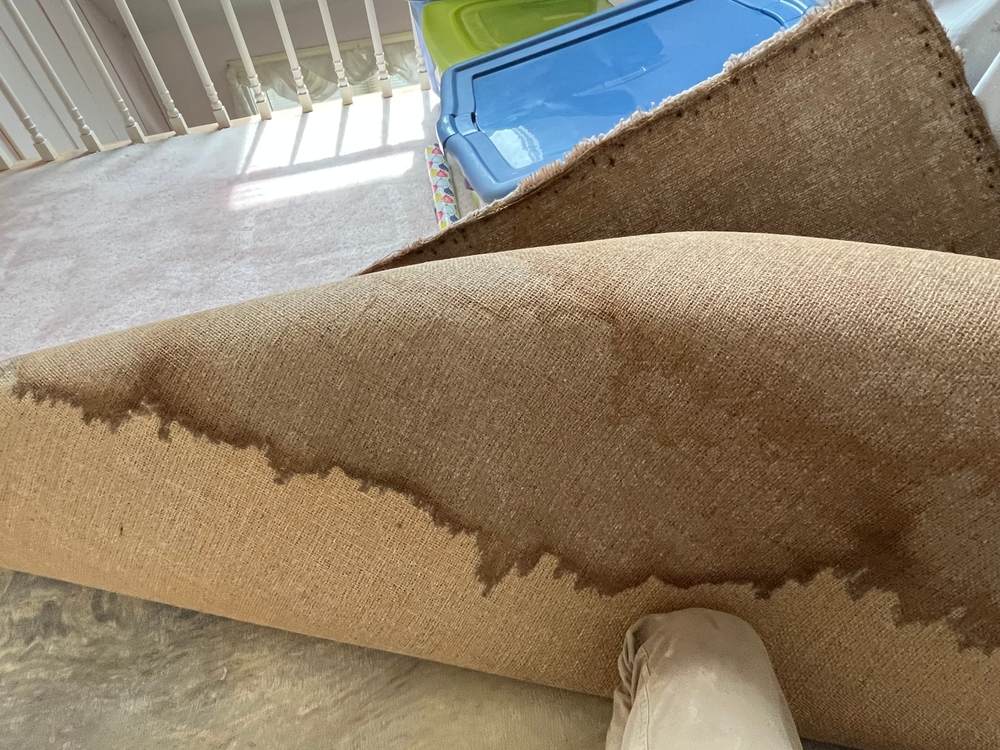
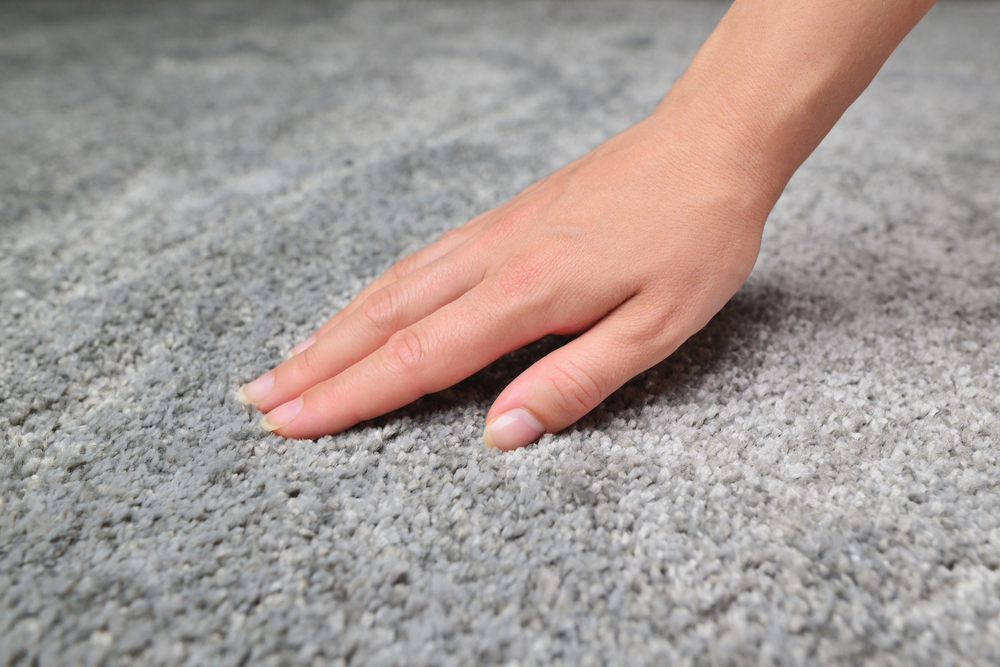
A leaking water heater, overflowing appliance, plumbing problem, or storm-related water intrusion can soak carpeting quickly. In Red Bank, NJ, where properties range from older homes near downtown to commercial spaces and residences closer to the Navesink River, the first 24 hours after water damage can make a major difference in what happens next.
Quick answer: If your carpet has water damage, first stop the water source when it is safe to do so, keep people and pets away from affected areas, and determine whether the water may contain sewage or other contaminants. Remove movable belongings from dry, accessible areas and contact a carpet restoration professional promptly. Fast water extraction and controlled drying can reduce the amount of time moisture remains trapped in carpet, padding, and nearby materials.
What Red Bank Property Owners Should Know
Water that looks minor on the carpet surface may have already reached the carpet padding, subfloor, baseboards, or adjacent rooms.
Humid conditions in Monmouth County can make passive drying less effective, especially when doors and windows are simply opened without controlling indoor moisture.
Properties near the Navesink River and other low-lying parts of the area may face additional concerns when water intrusion follows heavy rain or coastal weather.
Water from a clean plumbing source should be treated differently from sewage backups, floodwater, or other potentially contaminated water.
Quick professional evaluation can help determine whether carpeting can be cleaned and restored or whether affected materials should be removed.
Why Water-Damaged Carpet Requires Fast Attention in Red Bank
Water-damaged carpet requires fast attention in Red Bank because moisture can travel beneath the visible carpet surface and remain trapped in padding, flooring, and surrounding materials. Local humidity and wet weather can further slow natural evaporation, making prompt extraction and controlled drying especially important.
Red Bank sits along the Navesink River in Monmouth County, and local properties can experience water problems from several directions. Heavy rainfall can contribute to water intrusion, while everyday indoor problems such as leaking pipes, failed appliances, overflowing fixtures, and water heater leaks can cause significant damage regardless of the weather.
Older homes and buildings around downtown Red Bank can also have different flooring assemblies, plumbing configurations, and subfloor materials than newer construction in surrounding communities.
At Lov n Kare Carpet Center, we understand that a wet carpet problem is not just about the fibers you can see. Our focus is on helping local property owners understand the condition of the affected carpet and what restoration steps may be appropriate.
Local Data or Field Observations
For water-damaged carpet, the most useful field observation is that the visible wet area does not always show the full extent of moisture. Water can migrate through carpet backing into padding and along flooring materials, so determining how far the moisture has traveled is an important part of evaluating the damage.
Local conditions matter, too. Warm, humid summer weather in Monmouth County can work against passive drying. Coastal storms and periods of heavy rain can create a different restoration situation than a small, contained plumbing leak.
The source of the water is equally important. A clean-water leak and a sewage backup should not be handled as though they present the same conditions.
How Water Damage Can Affect Local Homes and Businesses
Water damage can affect local homes and businesses by disrupting rooms, damaging flooring materials, creating odors, and leaving moisture in areas that are difficult to dry without proper equipment. For Red Bank businesses, a wet carpet can also interfere with normal customer and employee access.
For homeowners, the impact can spread beyond one visibly wet room. Water can reach carpet padding, tack strips, baseboards, furniture legs, adjoining flooring, and subflooring.
Commercial properties around downtown Red Bank face another concern: downtime. Restaurants, offices, retail spaces, and other local businesses may need affected areas evaluated and dried promptly so appropriate decisions can be made about cleanup and reopening the space.
Warning Signs Your Carpet Needs Professional Attention
Water-damaged carpet needs professional attention when moisture extends beyond a small, easily controlled surface spill or when the water source creates contamination concerns. Signs that the problem may require more than towels and household fans include:
Carpet feels damp again after the surface appears dry.
Water squishes or moves beneath the carpet when you walk on it.
Padding underneath the carpet remains wet.
A musty or unusual odor develops.
Baseboards or nearby wood materials show swelling or discoloration.
The wet area extends into multiple rooms or beneath furniture.
Water came from outside flooding, a drain backup, or a sewage source.
You cannot determine how far the moisture traveled.
When to Call a Professional for Water-Damaged Carpet
Call a professional when water has soaked through the carpet, reached the padding, spread beyond a small area, or may contain contaminants. Red Bank property owners should also seek help when they cannot safely identify or stop the water source or cannot determine whether underlying materials are still wet.
A small amount of clean water spilled on the carpet may be manageable with immediate blotting and drying. A room affected by a plumbing leak, appliance failure, storm intrusion, or backup is different.
Avoid entering areas where water may have contacted electrical equipment. If sewage or potentially contaminated water is involved, avoid direct contact with the affected carpet and surrounding materials.
Common Causes of Water-Damaged Carpet in Red Bank
The most common causes of water-damaged carpet in Red Bank include plumbing leaks, appliance failures, overflowing fixtures, weather-related intrusion, and backups. The source matters because it affects both the extent of restoration and how safely the carpet can be handled.
1. Plumbing leaks: Aging connections, damaged supply lines, and leaking pipes can release water behind walls or into carpeted rooms before the problem is noticed.
2. Appliance and water heater problems: Washing machines, dishwashers, refrigerators, and water heaters can release enough water to saturate carpeting and padding.
3. Heavy rain and storm intrusion: Monmouth County properties may experience water entry during periods of intense rainfall or coastal weather.
4. Overflowing fixtures: Tubs, sinks, and toilets can quickly spread water into nearby carpeted hallways and rooms.
5. Drain or sewage backups: These situations require additional caution because the water may contain contaminants.
How to Protect Your Carpet During the First 24 Hours
Protecting your carpet during the first 24 hours starts with stopping additional water, protecting occupants, and beginning appropriate extraction and drying as soon as practical. The goal is not simply to make the carpet surface feel dry but to address moisture that may have reached underlying materials.
If it is safe, shut off the source of a clean-water leak. Move dry, portable belongings away from the affected area without walking through questionable water. Keep children and pets out of the room.
Do not assume opening windows is always the best drying strategy. During humid weather around Red Bank, Fair Haven, Little Silver, and the surrounding Navesink area, bringing more humid outdoor air inside may not provide the controlled drying the affected materials need.
DIY cleanup should stop when contamination, electrical hazards, extensive saturation, or hidden moisture may be involved.
What to Expect From Professional Carpet Restoration
Professional carpet restoration should focus on evaluating the water source, determining how much of the carpet system is affected, extracting accessible water, and establishing an appropriate drying plan. Whether carpeting can be restored depends on the source, materials involved, extent of saturation, and condition discovered during evaluation.
Some situations may allow carpet to be cleaned and restored. Others may require removal of padding or other affected materials.
There is no responsible one-size-fits-all answer. A small clean-water incident caught quickly is different from prolonged saturation or water containing sewage or outside contaminants.
Common Water Damage Carpet Restoration Mistakes
The biggest water damage mistakes involve waiting too long, treating only the visible surface, or handling contaminated water like an ordinary spill.
Mistake: Waiting for the carpet to air-dry. Consequence: Moisture may remain in padding or underlying materials. Better approach: Evaluate the full affected area and begin appropriate extraction and drying promptly.
Mistake: Assuming dry carpet fibers mean the floor is dry. Consequence: Hidden materials may remain damp. Better approach: Check the condition beneath the carpet when significant saturation has occurred.
Mistake: Using household equipment around questionable water. Consequence: You may expose yourself or equipment to contaminated material. Better approach: Keep away from sewage or floodwater and seek professional guidance.
Mistake: Delaying because the affected area looks small. Consequence: Water may have migrated beyond the visible boundary. Better approach: Consider where the water could have traveled beneath the surface.
A Common Local Water Damage Scenario
A common Red Bank scenario is a homeowner discovering a plumbing or appliance leak after water has already spread across a carpeted room. The visible puddle may be removed quickly, but the carpet remains cool or damp because water has penetrated the padding.
In this situation, the next step is not simply adding more fans. The source and extent of the water damage should be evaluated so the appropriate extraction, cleaning, drying, or material-removal decision can be made.
Related Carpet Restoration Solutions
Carpet restoration solutions may include water extraction, evaluation of affected carpet and padding, cleaning, odor-related treatment, and drying measures appropriate to the specific loss. The right combination depends on where the water originated and how extensively it affected the flooring system.
Our goal is to help property owners understand what can reasonably be restored and what may need a different solution.
DIY drying is best reserved for small, clean-water spills that have not significantly saturated the carpet or padding, while professional evaluation is more appropriate for widespread water, hidden moisture, prolonged saturation, or contamination concerns.
Towels, wet vacuums, and household fans have limitations. They may address visible water without confirming what is happening beneath the carpet.
Professional restoration becomes particularly valuable when you need to determine the extent of the affected area and whether carpet, padding, or surrounding materials require additional attention.
Water Damage Carpet Restoration Service Areas
Water damage carpet restoration may be needed throughout Red Bank and nearby Monmouth County communities, including Fair Haven, Little Silver, Shrewsbury, and Middletown. Properties around the Navesink River and surrounding area can face both indoor plumbing incidents and weather-related water problems.
The Cost of Waiting After Carpet Water Damage
Waiting after carpet water damage can allow moisture to remain in flooring materials longer and may make restoration more complicated. Delays can also contribute to persistent odors, deterioration of affected materials, and a larger disruption than addressing the problem promptly.
For a local business, waiting can extend downtime in an affected room. For a homeowner, it may allow a contained problem to involve additional materials.
Frequently Asked Questions About Water Damage Carpet Restoration
How quickly should I respond to wet carpet in Red Bank, NJ?
You should respond to wet carpet as soon as you discover it. Stop the water source if it is safe, restrict access to the area, and determine whether contamination may be present. Prompt extraction and drying are especially useful when water has reached carpet padding or other underlying materials.
Can wet carpet be saved after a leak in Red Bank?
Wet carpet may be restorable depending on the water source, how extensively it was saturated, how long it remained wet, and the condition of the carpet and padding. A clean-water plumbing leak may present different restoration options than outside floodwater, sewage, or another contaminated source.
Should I open my windows to dry wet carpet in Monmouth County?
Opening windows is not always the best choice because outdoor humidity can interfere with controlled indoor drying. During humid or rainy weather in Monmouth County, simply bringing outdoor air inside may not remove moisture effectively. The drying strategy should account for both indoor moisture and current outdoor conditions.
Do I need to replace carpet padding after water damage?
Carpet padding does not automatically require replacement after every water incident, but its condition should be evaluated when water has soaked through the carpet. The appropriate decision depends on the source of the water, degree of saturation, contamination concerns, material condition, and whether the padding can be adequately addressed.
Is stormwater in Red Bank safe to clean up myself?
Storm-related water should be approached cautiously because outside water may pick up contaminants before entering a property. Avoid assuming it is equivalent to clean water from a supply-line leak. If water entered from outdoors or you are uncertain about its source, professional evaluation is the safer approach.
Why does my carpet still smell after it dried?
A lingering odor can indicate that moisture or affected material remains beneath the surface, although odor alone cannot identify the exact cause. Carpet padding, subflooring, baseboards, or other materials may need evaluation. Masking the smell without identifying its source does not address an underlying moisture problem.
What should Red Bank businesses do when commercial carpet gets soaked?
Red Bank businesses should first address immediate safety concerns, stop the water source when possible, restrict access to the affected area, and arrange an evaluation promptly. Commercial restoration decisions should consider moisture beneath the carpet as well as how cleanup and drying may affect customer access and business operations.
When should I call for carpet restoration after a water leak?
You should call when the water extends beyond a small surface spill, has soaked into padding, has spread into other areas, or may be contaminated. Prompt help is also appropriate when you cannot tell how far moisture traveled or whether the carpet and materials underneath are fully dry.
Protect Your Red Bank Property After Carpet Water Damage
The first 24 hours after carpet water damage are about safety, stopping additional water, understanding the source, and addressing hidden moisture rather than just drying the visible surface. For homeowners and businesses throughout the Red Bank area, prompt action can help clarify what can be restored and what additional work may be needed.
Get Help With Water-Damaged Carpet in Red Bank
Get help with water-damaged carpet before a contained problem has more time to affect surrounding materials. We can help you evaluate your carpet restoration options and determine the appropriate next steps for your property.
Loose, rippled carpet can make an otherwise well-kept home look worn out, but wrinkles do not always mean the carpet needs to be replaced. For homeowners in Red Bank, NJ, figuring out whether the carpet can be re-stretched first may prevent an unnecessary replacement expense.
Quick answer:Carpet re-stretching is usually worth considering when the carpet is still in good overall condition but has developed wrinkles, waves, bubbles, or loose areas. Replacement becomes the better option when the carpet has significant wear, permanent stains, damaged backing, widespread deterioration, or other problems that stretching cannot correct. A professional evaluation can help determine which option makes financial sense.
What local homeowners should know
Carpet with wrinkles or loose areas may still have years of useful life if the fibers, backing, and padding remain in suitable condition.
Homes in Red Bank and surrounding Monmouth County communities can have carpet installed over a variety of subfloors and in rooms with different moisture and temperature conditions.
Re-stretching addresses looseness and buckling, but it does not repair worn fibers, permanent staining, or seriously damaged carpet backing.
Furniture movement, installation issues, normal wear, and changes in indoor conditions can all contribute to carpet becoming loose.
The right choice should be based on the carpet’s overall condition, not simply its age or the presence of a few wrinkles.
For local homeowners, that distinction matters because replacing an entire room or several rooms of carpet can be a much larger project than correcting a stretching problem. Homes around Broad Street, the Navesink River, and nearby communities such as Fair Haven, Little Silver, Shrewsbury, and Middletown also vary considerably in age and construction, making an individual assessment more useful than a one-size-fits-all rule.
Lov n Kare Carpet Center helps area homeowners evaluate flooring concerns and understand their options. We can help determine whether existing carpet is a reasonable candidate for professional re-stretching or whether replacement would provide better long-term value.
Is Carpet Re-Stretching Worth It in Red Bank?
Carpet re-stretching can be worth it in Red Bank when the carpet remains structurally sound and the primary problem is looseness, rippling, or buckling. Correcting those problems can improve appearance and reduce the need to replace usable flooring simply because it no longer lies flat.
Re-stretching generally involves pulling the existing carpet tight again and properly securing it around the perimeter. The goal is to remove excess slack so the carpet sits smoothly across the floor.
The important distinction is between a carpet that is loose and one that is worn out. Re-stretching can address the first problem. It cannot reverse substantial fiber wear, widespread staining, water damage, or deterioration of the carpet itself.
What Local Homeowners Should Look at Before Deciding
The condition of the carpet, padding, seams, backing, and edges should determine whether re-stretching or replacement is the better choice. Red Bank homeowners can start by looking beyond the visible wrinkle and considering how the entire floor covering is performing.
A carpet may be a good candidate for re-stretching when the surface still looks good, there are no major damaged areas, and the main complaint is that the carpet has become loose.
Replacement may make more sense when several problems appear at once. For example, heavily worn traffic lanes combined with permanent stains and damaged seams suggest that tightening the carpet would improve only one part of a larger flooring problem.
Local Data or Field Considerations
The most useful local consideration is the condition of the individual installation rather than a citywide rule about carpet lifespan. Without verified property-specific information, homeowners should avoid assuming that carpet needs replacement simply because of its age or because another nearby home had a similar-looking problem.
Red Bank includes older homes, renovated properties, apartments, condos, and newer interiors. Flooring conditions can therefore vary from one property to the next. Room dimensions, previous installation methods, subfloor condition, furniture movement, indoor humidity, and normal household traffic can all affect how carpet performs over time.
A hands-on inspection is the most reliable way to separate a stretching issue from a replacement issue.
How Loose Carpet Can Affect a Red Bank Home
Loose carpet can affect appearance, comfort, and everyday usability even when the carpet itself still has useful life remaining. Ripples are particularly noticeable across larger rooms, hallways, and open areas where light makes raised sections easier to see.
Wrinkles can also become increasingly inconvenient in frequently used parts of the home. A small ripple that is barely noticeable along a wall may be different from a raised section running through a primary walkway.
For homeowners preparing to update a room, rearrange furniture, or improve the overall appearance of a property, correcting loose carpet may be a practical place to start before considering complete replacement.
What Are the Warning Signs That Carpet Needs Attention?
Visible ripples, movement underfoot, lifted edges, and recurring loose areas are common signs that carpet should be evaluated. Red Bank homeowners should pay particular attention when the condition is becoming more noticeable rather than remaining stable.
Watch for:
Waves or wrinkles extending across a room
Carpet that shifts or moves underfoot
Raised areas near doorways or transitions
Edges pulling away from the perimeter
Seams that appear stressed or separated
Ripples that return after furniture is moved
Significant wear in the same areas where the carpet is loose
Damage to the backing, padding, or carpet fibers
The combination of symptoms matters. One otherwise healthy carpet with a few ripples presents a different decision than carpet showing widespread deterioration.
When Should You Call a Carpet Professional?
A professional evaluation makes sense when carpet is visibly buckled, repeatedly becomes loose, or shows damage that makes the repair-versus-replacement decision unclear. Homeowners can safely inspect the surface, note where wrinkles occur, and check for obvious stains or wear, but proper stretching requires appropriate equipment and technique.
Trying to pull or tack carpet manually can produce uneven tension or create new problems around seams and transitions. Professional assessment is especially useful when multiple rooms are affected or when the homeowner does not know how the carpet was originally installed.
For properties throughout the greater Red Bank area, an evaluation can also clarify whether the existing carpet is worth preserving before money is committed to new flooring.
What Commonly Causes Carpet to Become Loose?
Carpet can become loose because of installation conditions, movement, wear, environmental changes, or stress placed on the flooring over time. In Monmouth County homes, the exact cause may vary by room and property.
Common contributors include:
Insufficient tension during installation. Carpet that was not properly stretched when installed may develop wrinkles later.
Heavy furniture movement. Dragging furniture across carpet can place substantial stress on the flooring.
Normal household traffic. Busy hallways, family rooms, and other frequently used spaces experience repeated movement and pressure.
Changes in indoor conditions. Temperature and humidity can affect flooring materials and the environment surrounding an installation.
Problems beneath the carpet. Padding, tack strips, subfloor conditions, or other installation components may influence how securely the carpet remains in place.
Identifying the likely cause helps determine whether re-stretching is likely to be worthwhile.
Can Carpet Wrinkles Be Prevented?
Some carpet wrinkles can be prevented by proper installation, careful furniture movement, routine inspection, and prompt attention when looseness first appears. Local homeowners do not need to wait until a small ripple stretches across an entire room before having it evaluated.
Avoid dragging heavy furniture whenever possible. After moving large pieces, look for areas where the carpet appears pulled or raised. Also pay attention to transitions between carpet and hard flooring, particularly in busy parts of the home.
DIY inspection is reasonable. DIY stretching is different. Achieving consistent tension across a room requires more than simply pulling on a loose edge.
What Results Can You Expect From Re-Stretching?
Successful carpet re-stretching should leave suitable existing carpet flatter, tighter, and better secured, but it will not make old or damaged carpet new again. Expectations should depend on the carpet’s condition before service.
Wrinkles and excess slack are the problems re-stretching is designed to address. Existing stains, faded areas, worn fibers, or other permanent cosmetic damage may remain afterward.
If the carpet is already near the end of its useful condition, replacement may provide a more complete improvement. The goal is to spend money on the solution that addresses the actual problem.
What Mistakes Can Make the Decision More Expensive?
Replacing repairable carpet too quickly or repeatedly attempting temporary fixes can make a flooring problem more expensive than necessary. Red Bank homeowners can avoid unnecessary costs by determining the cause before choosing a solution.
Mistake: Assuming every wrinkle means replacement. Consequence: Usable carpet may be removed unnecessarily. Better approach: Have the carpet’s overall condition evaluated first.
Mistake: Focusing only on appearance. Consequence: Damage to backing, padding, seams, or other components may be overlooked. Better approach: Consider the entire installation.
Mistake: Trying to hide ripples beneath furniture. Consequence: The underlying looseness remains unresolved. Better approach: Determine why the carpet is no longer lying flat.
A Common Red Bank Carpet Scenario
A common local scenario is a homeowner noticing waves across an otherwise presentable carpet after years of normal household use. The fibers may still look acceptable, and the homeowner may assume that replacement is the only way to restore a smooth appearance.
In that situation, the first question should be whether the carpet itself has failed. If the carpet and supporting components remain suitable, re-stretching may address the main concern without replacing the entire floor covering.
If inspection reveals extensive wear or damage, replacement becomes easier to justify because it solves more than a tension problem.
Which Flooring Services Can Help?
Carpet evaluation, professional re-stretching, and replacement flooring options address different stages of carpet condition. The right service depends on whether the existing material is worth preserving.
We can help homeowners assess loose carpet and explore appropriate flooring solutions based on what is actually happening in the room. If re-stretching is appropriate, the focus is on correcting looseness. If replacement is the better option, homeowners can consider new flooring instead of investing further in deteriorated carpet.
Carpet Re-Stretching vs. Replacement: Which Should You Choose?
Choose re-stretching when good carpet is primarily loose, and consider replacement when wear or damage extends beyond what stretching can correct. The simplest comparison is to ask whether the problem is installation tension or the carpet itself.
Consideration
Re-Stretching
Replacement
Wrinkles or ripples
Often appropriate
May be unnecessary
Carpet still looks good
Often worth evaluating
Depends on homeowner goals
Heavy permanent staining
Does not correct stains
May be more appropriate
Significant fiber wear
Cannot restore worn fibers
Often worth considering
Damaged carpet backing
May limit suitability
May be necessary
Desire for a completely new look
Keeps existing carpet
Provides new material and style
A professional inspection can clarify borderline situations before a homeowner commits to either option.
What Areas Do We Serve Around Red Bank?
We help customers in Red Bank and the surrounding area with carpet and flooring needs. Nearby Monmouth County communities include Fair Haven, Little Silver, Shrewsbury, and Middletown.
For homeowners throughout the area, the goal is the same: identify the flooring problem accurately before deciding how much work is actually necessary.
What Can Happen If You Ignore Loose Carpet?
Ignoring loose carpet can allow ripples and stressed areas to remain part of everyday foot traffic, potentially making the flooring more troublesome over time. Waiting can also make it harder to determine whether a relatively focused problem could have been addressed earlier.
Homeowners do not need to treat every small wrinkle as an emergency. However, visible buckling, worsening looseness, damaged seams, or raised areas in busy walkways deserve attention.
Is carpet re-stretching cheaper than replacement in Red Bank, NJ?
Re-stretching generally involves keeping the existing carpet, while replacement requires new flooring materials and installation, so the scope of work is different. The actual cost depends on room size, carpet condition, installation details, and the work required. An evaluation is the best way to compare realistic options for a specific Red Bank home.
How do I know if my Red Bank carpet can be re-stretched?
Carpet may be suitable for re-stretching if it remains in good overall condition and looseness or rippling is the primary problem. Significant fiber wear, permanent damage, deteriorated backing, or other serious issues can make replacement more practical. The carpet and installation should be inspected before making that decision.
Why is my carpet developing wrinkles?
Carpet can develop wrinkles because of installation tension, heavy furniture movement, normal use, or conditions affecting the flooring system. In Red Bank and surrounding Monmouth County homes, construction and installation details vary considerably, so identifying the cause in the specific room is more useful than assuming all wrinkles have the same source.
Can I re-stretch carpet myself?
Homeowners can inspect loose carpet themselves, but proper re-stretching is generally better handled with professional carpet-stretching equipment and technique. Pulling at an edge or attempting to tighten one small section may not create even tension across the room and could affect seams, transitions, or the carpet itself.
Does re-stretching remove carpet stains?
No, re-stretching corrects looseness and wrinkles but does not remove permanent stains or restore worn carpet fibers. If a Red Bank homeowner has both buckling and substantial cosmetic damage, it is useful to consider the entire condition of the carpet before deciding whether repair or replacement offers better value.
Should I replace old carpet even if re-stretching is possible?
Not necessarily, because age alone does not determine whether re-stretching makes sense. The better question is whether the carpet remains in a condition you want to keep. If it still looks and performs well aside from looseness, preserving it may be reasonable. Widespread deterioration changes that calculation.
Can carpet wrinkles become a bigger problem?
Yes, loose areas can remain noticeable and may continue to interfere with the appearance and usability of a room. Raised carpet in frequently traveled areas also deserves attention. Homeowners in Red Bank should consider having worsening wrinkles evaluated rather than repeatedly moving furniture over them or trying to conceal them.
Do you need to replace carpet padding when re-stretching?
Not automatically, because the condition of the padding should be evaluated separately from the carpet’s tension. If the padding remains suitable, replacement may not be necessary solely because the carpet needs stretching. Damaged or deteriorated padding, however, can affect the overall flooring decision.
Make the Most of the Carpet You Already Have
For Red Bank homeowners, a few carpet wrinkles do not automatically mean it is time for a completely new floor. Understanding whether the problem is looseness, installation-related tension, or actual carpet deterioration can help you choose a solution that fits the condition of your home.
Find the Right Carpet Solution for Your Red Bank Home
Whether your carpet needs re-stretching or it is time to consider replacement, we can help you understand the available options without assuming that the biggest project is automatically the right one.
Carpets in Little Silver deal with more than everyday foot traffic. Seasonal humidity, wet weather, pets, tracked-in dirt, and sand brought back from the Jersey Shore can all leave carpet fibers looking dull and feeling less fresh over time.
For local homeowners, the right cleaning schedule depends on how the home is used, who lives there, and how quickly soil builds up.
Quick answer: Most homeowners should consider professional carpet cleaning about every 12 to 18 months, while busy households may benefit from cleaning every 6 to 12 months. Homes with pets, children, frequent guests, or heavy foot traffic often need attention sooner. Regular vacuuming between professional cleanings helps control surface debris, but deeper cleaning addresses soil that has settled farther into the carpet fibers.
What local homeowners should know
High-traffic rooms such as family rooms, hallways, stairs, and entry areas usually need attention before lightly used bedrooms.
Little Silver homes can see extra tracked-in moisture and debris during rainy periods and messy winter weather.
Trips to nearby Shore communities can bring sand into vehicles, entryways, rugs, and carpeting.
Pets and children can make a shorter carpet-cleaning schedule more practical.
Visible staining is not the only reason to clean carpet. A carpet can hold embedded soil before it begins to look noticeably dirty.
Why Does Carpet Cleaning Frequency Matter in Little Silver?
Carpet cleaning frequency matters in Little Silver because local weather, household traffic, and tracked-in outdoor debris can gradually affect the appearance and condition of carpet fibers. Waiting until carpeting looks heavily soiled can allow dirt to remain embedded longer than necessary, especially in frequently used parts of the home.
Residents of Monmouth County experience humid summers, rainy periods, changing seasons, and winter weather that can all affect what gets carried indoors. Families also move between nearby communities such as Red Bank, Fair Haven, Rumson, and Shrewsbury for work, school, shopping, dining, and recreation.
Every trip outside creates another opportunity for grit, moisture, soil, and other debris to enter the home.
At Lov n Kare Carpet Center, we understand that a useful cleaning schedule should reflect how a household actually uses its carpet. Rather than relying only on the calendar, we recommend paying attention to traffic patterns, pets, staining, and the overall appearance of your flooring.
What Do Local Conditions Tell Us About Carpet Maintenance?
Local conditions suggest that carpet maintenance should account for moisture, seasonal debris, and the amount of outdoor material carried into a home throughout the year. In coastal Monmouth County, homeowners may encounter everything from summer sand to wet leaves and winter grime.
This is best viewed as a practical field observation rather than a claim that every local home needs the same schedule.
A quieter household where shoes are removed at the door may be able to go longer between professional cleanings. A family with children, multiple pets, and heavily used carpeted rooms may notice soil returning much faster.
Homes near busy routes or households regularly traveling throughout the Shore area can also experience different maintenance needs than low-traffic homes.
How Does Embedded Dirt Affect Carpets?
Embedded dirt can make carpeting look dull, create noticeable traffic patterns, and make routine vacuuming less effective at restoring its appearance. The effect is often easiest to see around entrances, stairs, hallways, family rooms, and other frequently traveled areas.
Dry particles can work their way below the most visible surface of the carpet. Spills can also leave residues that attract additional soil if they are not addressed appropriately.
That means homeowners should look at overall carpet condition instead of waiting for one dramatic stain to appear.
What Are the Signs Your Carpet May Need Cleaning?
Your carpet may need professional cleaning when regular vacuuming no longer restores its appearance or when odors, spots, and traffic patterns remain noticeable. In a Little Silver home, checking the busiest rooms first can provide a useful picture of whether the entire carpeted area needs attention.
Watch for these common signs:
Hallways and walkways look darker than surrounding carpet.
Carpet near exterior doors becomes visibly soiled.
Spots reappear or remain after basic household cleanup.
Pet-related odors remain noticeable.
Carpet looks flattened or dull in frequently used rooms.
Stairs show obvious traffic patterns.
The carpet feels less fresh even after thorough vacuuming.
It has been well over a year since the last deeper cleaning in a busy household.
When Should You Call a Professional Carpet Cleaner?
Professional carpet cleaning is worth considering when soil, stains, or odors remain after normal vacuuming and careful spot maintenance, or when the carpet is due for periodic deeper cleaning. Local homeowners should also consider professional service before important gatherings, after especially messy seasons, or when heavily used rooms need refreshing.
Vacuuming and quick attention to small spills are appropriate parts of routine home maintenance. Homeowners should be more cautious with aggressive scrubbing, excessive moisture, or untested cleaning products.
Before applying a product broadly, follow the carpet manufacturer’s care recommendations and product instructions. If you are unsure about the carpet material or an appropriate cleaning method, professional guidance can help you choose the next step.
What Causes Carpets to Get Dirty Faster in Little Silver?
The most common reasons carpets get dirty faster in Little Silver are heavy foot traffic, pets, outdoor debris, moisture, spills, and inconsistent vacuuming. Homes with active families will naturally have different cleaning needs from homes where carpeted rooms receive relatively little use.
Common contributors include:
Entryway traffic: Shoes can carry soil and moisture from driveways, sidewalks, yards, and streets into carpeted spaces.
Pets: Hair, tracked-in debris, accidents, and everyday activity can increase maintenance needs.
Children and gatherings: More activity generally means more opportunities for crumbs, spills, and soil.
Shore sand: Summer trips around the Monmouth County coast can result in fine sand finding its way indoors.
Wet weather: Rain and winter conditions can increase the amount of moisture and grime brought through entrances.
How Can You Keep Carpets Cleaner Between Professional Visits?
You can keep carpets cleaner by vacuuming consistently, addressing spills promptly, reducing tracked-in debris, and paying extra attention to high-traffic areas. For Little Silver households, simple routines near entrances can be particularly useful during rainy weather, Shore season, and winter.
Use entry mats to capture some outdoor debris before it reaches carpeting. Vacuum busy rooms more frequently than rarely used areas, and avoid letting obvious soil accumulate on stairs and hallways.
Blot spills rather than aggressively rubbing them into carpet fibers. Follow manufacturer guidance for spot-cleaning products, and avoid oversaturating the carpet.
A useful seasonal habit is to inspect carpeting after winter and again after a busy summer. These checkpoints can help you decide whether professional cleaning is needed instead of relying on a rigid schedule.
What Results Should You Expect From Carpet Cleaning?
Professional carpet cleaning should leave appropriately treated carpeting cleaner and fresher in appearance, although the exact results depend on carpet condition, fiber type, age, staining, and previous care. Some spots and wear patterns may not respond the same way as ordinary soil.
Cleaning also cannot reverse physical wear or repair damaged carpet fibers. A permanently worn traffic lane, for example, is different from a traffic lane that simply contains accumulated soil.
Setting realistic expectations makes it easier to decide whether a carpet needs cleaning, additional care, or eventual replacement.
What Carpet-Cleaning Mistakes Should Homeowners Avoid?
The biggest carpet-cleaning mistakes are waiting too long, using too much cleaning product, oversaturating the carpet, and treating every stain the same way. A better approach is to use regular maintenance and choose cleaning methods appropriate for the specific carpet and problem.
Mistake: Waiting until carpet looks extremely dirty. Consequence: Soil and traffic patterns can become much more noticeable. Better approach: Inspect busy areas periodically and clean based on actual use.
Mistake: Scrubbing a spill aggressively. Consequence: The affected area may spread or the carpet fibers may be disturbed. Better approach: Blot carefully and follow appropriate care instructions.
Mistake: Applying excessive cleaner. Consequence: Residue may remain if the product is not used correctly. Better approach: Follow product and carpet manufacturer directions.
Mistake: Treating every room on the same schedule. Consequence: Some areas may be cleaned unnecessarily while high-traffic areas are neglected. Better approach: Base maintenance on how each part of the home is used.
What Is a Common Carpet-Cleaning Scenario in a Little Silver Home?
A common local scenario is a household where the family room, stairs, and entry areas become visibly soiled before carpet in bedrooms or less-used spaces. This difference is normal because carpet-cleaning needs are closely connected to traffic and daily household activity.
For example, a family may vacuum regularly but still begin noticing darker pathways between an entrance, kitchen area, and family room. Pets or children can accelerate the change.
This is not a specific customer case study. It is an example of the type of household traffic pattern homeowners can use when deciding whether it is time for deeper cleaning.
What Professional Carpet Services Can Help?
Professional carpet cleaning can help remove accumulated soil and refresh carpeting when normal household maintenance is no longer enough. The right service should be selected based on the carpet, its condition, and the specific concerns present in the home.
Our goal is to help local homeowners make sensible flooring-care decisions rather than clean on an arbitrary schedule. If your carpet looks dull, has persistent spots, or has gone a long time without deeper cleaning, an evaluation can help determine an appropriate next step.
Should You Clean Carpets Yourself or Hire a Professional?
DIY maintenance works well for routine vacuuming and appropriate spot care, while professional cleaning is better suited to periodic deeper cleaning and widespread soil. The choice depends on the size of the affected area, the carpet material, and the type of problem you are trying to solve.
Small, recent spills may be manageable with proper household care. Larger areas, recurring spots, persistent odors, or heavily traveled carpet generally deserve more careful attention.
Homeowners should also consider the risks of using too much water or an unsuitable cleaning product. If the correct method is uncertain, professional service can remove some of the guesswork.
What Areas Do We Serve Around Little Silver?
We serve homeowners in the local area who need help caring for carpeting and flooring. Little Silver sits near communities including Red Bank, Fair Haven, Rumson, and Shrewsbury, making carpet care part of everyday home maintenance throughout this part of Monmouth County.
What Can Happen If You Put Off Carpet Cleaning?
Putting off carpet cleaning can allow visible soil, spots, odors, and traffic patterns to become more noticeable over time. For active households, delaying routine maintenance can also make it harder to keep busy carpeted areas looking consistently fresh.
The goal is not to clean more often than necessary. It is to avoid waiting until the carpet’s condition has deteriorated noticeably.
If a room is already showing clear signs of accumulated soil, scheduling service sooner can help you address the problem before another season of household traffic adds to it.
Frequently Asked Questions About Carpet Cleaning in Little Silver, NJ
How often should carpets be professionally cleaned in Little Silver?
A practical starting point is about every 12 to 18 months for many households, with cleaning every 6 to 12 months worth considering in busier homes. Your ideal timing depends on pets, children, foot traffic, spills, carpet type, and routine maintenance, so visible condition should help guide the final decision.
Do homes with pets need carpet cleaning more often?
Homes with pets often benefit from more frequent carpet attention because animals can contribute hair, tracked-in soil, odors, and occasional accidents. In an active Monmouth County household, checking carpet condition every six months can help you determine whether routine vacuuming is sufficient or deeper cleaning would be useful.
Does Jersey Shore sand affect carpet?
Sand can become trapped in carpet fibers after being carried indoors on shoes, bags, clothing, and other belongings. For households that frequently visit nearby Shore destinations during summer, good entry mats and regular vacuuming can help reduce buildup. Persistent embedded soil may eventually call for deeper cleaning.
Is spring a good time for carpet cleaning in Little Silver?
Spring can be a convenient time for carpet cleaning because it gives homeowners an opportunity to address dirt and debris accumulated during winter. It is not the only appropriate season, however. Carpet condition, household schedules, recent spills, pets, and traffic should matter more than choosing a particular month.
Should I clean my carpet after summer?
Cleaning after summer can make sense if your household experienced increased traffic, entertaining, pet activity, or frequent trips to the Shore. Little Silver families may find that sand and outdoor debris accumulate more quickly during an active summer, making early fall a useful time to inspect high-traffic carpeted areas.
How often should high-traffic carpeted areas be cleaned?
High-traffic areas should be monitored more frequently than lightly used rooms and may need professional cleaning sooner than the rest of the home. Stairs, hallways, family rooms, and carpet near entrances often show soil first, particularly in busy households throughout Little Silver and surrounding Monmouth County communities.
Can regular vacuuming replace professional carpet cleaning?
Regular vacuuming is essential maintenance, but it does not necessarily replace periodic deeper cleaning. Vacuuming helps remove loose surface debris and should remain the foundation of carpet care. When carpeting develops persistent soil, spots, odors, or visible traffic lanes, professional cleaning may provide a more appropriate next step.
Should every carpet in my home follow the same cleaning schedule?
No, different rooms can reasonably follow different cleaning schedules because traffic levels vary throughout a home. A busy family room or staircase may need attention well before a guest bedroom. Little Silver homeowners can save themselves unnecessary work by inspecting individual spaces and prioritizing areas that receive the most daily use.
Keep Your Little Silver Carpets Looking Their Best
A practical carpet-cleaning schedule is based on your household, not simply a date on the calendar. By combining regular vacuuming, prompt spot care, seasonal inspections, and professional cleaning when needed, local homeowners can stay ahead of the soil and traffic that come with everyday life in Monmouth County.
Give Your Carpets the Care They Need
We can help you determine the right next step based on your carpet and the way your household uses it.
Few things make a home feel older than carpets that have lost their softness, color, and fresh appearance. In South Amboy, NJ, changing seasons, muddy shoes, road salt, and everyday family life can leave carpets looking worn long before they actually need replacement.
Quick Answer
Reviving tired carpets in South Amboy, NJ often starts with identifying whether the issue is surface dirt, matted fibers, lingering odors, or permanent wear. Regular maintenance, prompt stain removal, and professional carpet cleaning can restore the appearance and comfort of many carpets while extending their lifespan.
What Local Readers Should Know
South Amboy’s wet winters and rainy spring months often track dirt, moisture, and salt into homes, causing carpets to dull faster.
Homes near Raritan Bay can experience seasonal humidity that contributes to lingering carpet odors if moisture is not addressed promptly.
Regular vacuuming removes abrasive dirt before it damages carpet fibers.
Not every worn-looking carpet needs replacement. Many carpets can be refreshed with proper cleaning and maintenance.
Scheduling professional carpet care before stains become permanent helps preserve both appearance and comfort.
Why This Matters Locally
Keeping carpets clean is especially important for homeowners throughout South Amboy because local weather creates conditions that accelerate wear. Winter road salt, spring rain, summer humidity, and autumn leaves all find their way indoors. Homes throughout Middlesex County, including nearby Sayreville, Perth Amboy, Old Bridge, and Parlin, experience many of the same challenges.
Older homes common throughout the area may also have high-traffic hallways, finished basements, and family gathering spaces where carpets receive constant use. These everyday conditions can shorten the life of carpeting without proper care.
At Lov n Kare Carpet Center, we understand how local conditions affect flooring and help homeowners choose practical solutions that fit their home’s needs.
Local Data and Field Observations
Professional field observations consistently show that entryways, living rooms, stairs, and hallways experience the fastest carpet wear. In homes throughout the Bayshore region, seasonal moisture combined with dirt tracked indoors often causes carpets to appear older than they actually are.
Many homeowners assume fading or matting means replacement is necessary. In reality, accumulated soil embedded deep within carpet fibers is frequently responsible for the dull appearance.
How Carpet Wear Impacts Local Homes
Tired carpets affect more than appearance.
Heavy soil buildup can make fibers feel rough underfoot and reduce the carpet’s original texture. Lingering odors from moisture, pets, or spills can make an otherwise clean home feel less inviting.
Neglected carpeting may also trap allergens, dust, and debris, particularly during pollen season in Middlesex County. Regular maintenance helps improve indoor comfort while protecting your flooring investment.
Warning Signs Your Carpet Needs Attention
Watch for these common signs:
Traffic lanes remain dark even after vacuuming.
Carpet fibers appear flattened or matted.
Stains continue to reappear after cleaning.
Lingering odors develop after rainy weather.
Carpet feels rough instead of soft.
Colors appear faded in high-traffic areas.
Allergy symptoms seem worse indoors.
Entryways become noticeably darker than surrounding rooms.
When to Call a Professional
Professional carpet care becomes worthwhile when routine cleaning no longer restores the carpet’s appearance or when stains and odors continue returning.
Homeowners can safely vacuum regularly, clean fresh spills immediately, and use manufacturer-approved spot cleaners. However, deep-set stains, extensive traffic patterns, pet accidents, or widespread discoloration often require professional equipment and cleaning techniques to achieve better results.
Common Local Causes of Tired Carpets
Several factors commonly contribute to worn-looking carpets in South Amboy.
1. Dirt and Sand
Small particles tracked inside act like sandpaper, gradually wearing down carpet fibers with every step.
2. Road Salt
Winter road treatments leave behind residue that dulls carpet fibers and attracts additional dirt if not removed thoroughly.
3. Moisture
Rain, snow, and humidity increase the likelihood of odors and staining when carpets remain damp.
4. Heavy Foot Traffic
Busy family homes naturally experience more wear in hallways, stairs, and living spaces.
5. Pets
Pet hair, accidents, and oils can contribute to stains, odors, and fiber damage if left untreated.
Prevention and Maintenance Tips
Preventing premature carpet wear starts with consistent habits.
Vacuum high-traffic areas several times each week.
Place quality mats at every exterior entrance.
Remove shoes before walking across carpeted areas.
Clean spills as soon as possible.
Rearrange furniture occasionally to reduce permanent traffic patterns.
Schedule professional carpet cleaning as part of routine home maintenance.
Increase cleaning frequency during winter and rainy seasons.
What Results Can You Expect?
Many carpets respond surprisingly well to proper professional cleaning.
While deep wear, burns, and permanent discoloration cannot always be reversed, removing embedded dirt often restores brighter colors, softer texture, and a fresher appearance. Professional evaluation also helps determine whether cleaning or replacement makes the most practical long-term solution.
Common Mistakes Homeowners Make
Mistake: Waiting until carpets look extremely dirty before cleaning.
Consequence: Embedded soil causes additional fiber wear over time.
Better Approach: Schedule regular maintenance before visible damage develops.
Mistake: Overwetting stains with household cleaners.
Consequence: Excess moisture may create odors or attract more dirt.
Better Approach: Blot spills immediately and use appropriate cleaning methods.
Mistake: Scrubbing stains aggressively.
Consequence: Fibers can become damaged or frayed.
Better Approach: Blot gently and seek professional help for stubborn stains.
Common Local Scenario
A family returns home after several months of winter weather and notices their living room carpet appears permanently gray near the front entrance. After removing embedded salt, dirt, and accumulated debris through professional cleaning, much of the original color returns, leaving only the normal wear expected in the highest traffic areas.
Related Service Solutions
Depending on the carpet’s condition, homeowners may benefit from:
Best when fibers have reached the end of their lifespan
Service Areas
We proudly serve homeowners throughout South Amboy as well as nearby communities including Sayreville, Perth Amboy, Old Bridge, Parlin, and other areas throughout Middlesex County.
The Cost of Ignoring Carpet Wear
Ignoring worn carpets allows dirt and debris to continue damaging fibers. What begins as cosmetic discoloration can eventually shorten the carpet’s useful life, resulting in replacement sooner than necessary.
How often should carpets be professionally cleaned in South Amboy?
Most homes in South Amboy benefit from professional carpet cleaning every 12 to 18 months. Homes with pets, children, or heavy foot traffic may require more frequent service.
Why do carpets become dirty so quickly during winter?
Winter conditions introduce road salt, moisture, and fine debris that cling to carpet fibers. Entryways and hallways typically experience the greatest buildup.
Can professional cleaning remove all stains?
Many stains respond very well to professional treatment, but permanent discoloration or fiber damage may not be fully reversible depending on the stain and carpet type.
Does humidity affect carpets near Raritan Bay?
Yes. Seasonal humidity can contribute to lingering odors and slower drying times if moisture remains trapped within carpet fibers.
Should I replace or clean my carpet first?
Cleaning is often a good first step when the carpet still has healthy fibers. A professional evaluation can help determine whether cleaning or replacement makes the most sense.
How can I protect carpets in high-traffic areas?
Regular vacuuming, entry mats, prompt spill cleanup, and routine professional maintenance all help reduce premature wear.
Closing
Keeping carpets looking their best takes consistent care, especially with the seasonal conditions experienced throughout South Amboy and the surrounding area. Understanding the causes of carpet wear helps homeowners make informed decisions that improve comfort, appearance, and the lifespan of their flooring.
Restore Comfort and Freshness to Your Home
We’re here to help you find the right solution for your carpets, whether that means professional care or exploring new flooring options.
Your sofa is one of the most used pieces of furniture in your home. It holds up through movie nights, family gatherings, pet cuddles, and everything in between. Over time, all of that use takes a toll, not just on how your couch looks, but on how it smells and how long it actually lasts.
Many homeowners in South Amboy, NJ, and surrounding areas are discovering that professional furniture cleaning is not just a cosmetic upgrade. It is a smart investment that can genuinely extend the life of their upholstered pieces.
How Dirt and Odors Break Down Upholstery Faster Than You Think
Most people do not realize how much damage is silently happening inside their sofa cushions and fabric fibers. Dust, skin cells, pet dander, food particles, and liquid spills work their way deep into upholstery over time. Once these particles settle into the fabric, they begin to act like sandpaper against the fibers every time someone sits down or shifts their weight. This friction causes the fabric to wear out much faster than it would under clean conditions.
Odors tell a similar story. When moisture from sweat, spills, or pet accidents gets trapped inside foam cushions and fabric layers, bacteria and mold can begin to grow. That musty or sour smell is not just unpleasant. It is a sign that organic material is actively breaking down inside your sofa. Odor removal from upholstery is not something a standard vacuum or store-bought spray can fully address. The source of the smell needs to be neutralized at a deeper level, which is exactly what professional sofa deodorizing is designed to do.
Fabric furniture cleaning that goes beyond surface treatment helps stop this deterioration process before it causes irreversible damage. Whether you have a microfiber sectional, a velvet accent chair, or a classic linen couch, the materials are all vulnerable to the same kind of buildup that shortens their usable life.
What Professional Upholstery Cleaning Services Actually Do
There is a significant difference between running a vacuum over your couch and having a professional upholstery cleaning service treat it properly. Trained technicians use equipment and cleaning solutions that are specifically calibrated for different fabric types. They begin with a thorough inspection to identify stains, high-traffic zones, and any fabric sensitivities before selecting the right approach.
Hot water extraction, also known as steam cleaning, is one of the most common methods used in professional fabric furniture cleaning. It injects a controlled amount of hot water and cleaning solution deep into the upholstery fibers, then extracts it along with the loosened dirt, allergens, and bacteria. The result is a level of clean that no at-home method can replicate.
Dry cleaning methods are also available for more delicate fabrics that cannot handle moisture. These use specialized compounds that bind to dirt and are then carefully removed without wetting the fabric. For households in South Amboy, NJ, where humidity can already be a factor, dry cleaning methods can be especially useful in preventing mildew after treatment.
Professional sofa deodorizing is often done alongside deep cleaning. Enzyme-based treatments are commonly applied to break down the biological sources of odors rather than simply masking them with fragrance. This approach reaches into the cushion fill and underlying materials where smells actually originate, eliminating them at the source.
The Connection Between Clean Upholstery and a Longer Sofa Lifespan
It might seem like furniture cleaning is purely about appearances, but the relationship between cleanliness and durability is well established. Upholstery fibers that are loaded with grit and debris wear out faster due to the constant abrasion mentioned earlier. Once the surface fibers begin to pill, fray, or thin out, the process accelerates. Regular professional cleaning interrupts this cycle by removing abrasive particles before they cause cumulative damage.
Stains that are left untreated also become harder to remove over time as they bond chemically with fabric fibers. What might have been a simple extraction job in the first few weeks after a spill can become a permanent discoloration after several months. Professional upholstery cleaning services address both fresh and set-in stains more effectively than consumer products because they have access to stronger, fabric-safe formulas and the training to apply them correctly.
There is also a structural benefit to consider. Sofa cushions that are regularly cleaned and deodorized tend to hold their shape better. Moisture and bacteria that accumulate in cushion foam can cause it to break down from the inside, leading to that sunken, lumpy feeling that makes an older couch uncomfortable. Keeping the interior materials clean and dry helps them maintain their resilience and support over a longer period.
Homeowners who invest in odor removal for upholstery and periodic deep cleaning often find that their sofas remain in usable condition for years longer than comparable pieces that received only basic maintenance. In a region like South Amboy, NJ, where families tend to use living spaces heavily year-round, that added longevity represents real financial value.
How Often Should You Schedule Professional Fabric Furniture Cleaning?
The right frequency for furniture cleaning depends on how heavily the piece is used and what it is exposed to on a daily basis. For most households, scheduling a professional upholstery cleaning service once every 12 to 18 months is a reasonable baseline. However, certain situations call for more frequent attention.
Homes with pets should consider professional sofa deodorizing and fabric furniture cleaning at least once or twice a year. Pet hair and dander work into upholstery quickly, and the oils from their skin can leave fabrics looking dull and smelling stale faster than most owners expect. Odor removal from upholstery in pet-heavy homes also becomes more urgent because the longer biological odors are left untreated, the harder they are to fully eliminate.
Families with young children face similar considerations. Juice spills, food crumbs, and the general chaos of daily life with kids means that upholstery takes on a lot of stress. Scheduling cleaning before stains have a chance to set and before odors become embedded is far more effective and often less expensive than trying to remediate heavy buildup after the fact.
For households in South Amboy, NJ, where the climate brings humid summers, a mid-summer or post-summer cleaning can be particularly valuable. Humidity encourages mold and mildew growth inside upholstery, making seasonal professional cleaning a genuinely practical choice rather than an indulgence.
Even for households without pets or children, the dust, allergens, and everyday use that accumulate in fabric furniture cleaning make annual professional service a worthwhile routine. The cost of periodic cleaning is modest compared to the cost of replacing a sofa that wore out prematurely due to neglect.
Conclusion
Professional furniture cleaning does more than refresh the look and smell of your sofa. It actively protects the fibers, cushion fill, and structural materials from the kind of slow deterioration that cuts years off a piece of furniture’s useful life. For residents of South Amboy, NJ, investing in upholstery cleaning services, sofa deodorizing, and odor removal from upholstery is a practical way to protect the comfort and value of your home. The sofa you take care of today is the sofa that will still feel good to sit on five or ten years from now.
Need Carpet Specialists in South Amboy, NJ?
Locally owned and operated, Lov ‘N Kare Carpet Center is the area’s premier carpet, rug, and upholstery cleaner since 1948! Lov ‘N Kare Carpet Center specializes in rug cleaning, carpet cleaning, carpet repairs, carpet re-stretching, carpet and rug alterations, tile and grout cleaning, drapery cleaning, upholstery cleaning, furniture cleaning, and much more. We use only the most reliable and up-to-date cleaning machines and technologies to give you superior quality cleaning and reduce drying times. Get a free estimate on cleaning services and 20% off when you use our cash and carry cleaning service! Contact us today to learn more about what we can do for you!
 Fabric Protection Warranty Plan