Carpet padding, also known as carpet underlay, is a layer of material that is placed between the carpet and the subfloor. Its primary purpose is to provide additional cushioning and support, enhancing the comfort and durability of the carpet. Carpet padding can be made from various materials, such as foam, rubber, fiber, or even recycled materials.
Why It Matters?
Choosing the right carpet padding is crucial for several reasons. First and foremost, it significantly affects the overall feel and comfort of the carpet. A high-quality padding can make a noticeable difference in the softness and cushioning underfoot. It reduces the impact of footsteps, making walking on the carpet a more pleasurable experience.
Furthermore, carpet padding helps to extend the life of the carpet itself. Without proper padding, the carpet fibers would be in direct contact with the hard subfloor, leading to premature wear and tear. The padding acts as a buffer, absorbing impact and reducing the stress on the carpet fibers. It prevents the carpet from getting crushed or flattened over time and helps it maintain its appearance for a longer period.
In addition to comfort and longevity, carpet padding also provides insulation benefits. It helps to improve the insulation of the room by reducing heat loss and noise transmission. By creating a barrier between the carpet and the subfloor, it helps to keep the room warmer in winter and cooler in summer. It also acts as a sound absorber, minimizing the transfer of noise between floors and rooms. This is particularly beneficial in apartments or houses with multiple levels, where noise reduction is essential.
How to Choose The Right Type?
Choosing the right carpet padding involves considering several factors, including the type of carpet, the traffic level in the room, and personal preferences. Here are some key points to keep in mind when selecting the right type of carpet padding.
1. Density: The density of the padding is an important consideration. Higher density padding offers better support and durability, as it can withstand more weight and foot traffic. It also helps to prevent the carpet from developing wrinkles or ripples over time.
2. Thickness: The thickness of the padding determines the level of cushioning and comfort. Thicker padding is generally more comfortable underfoot, but it may not be suitable for all carpet types. For example, if you have a Berber or a loop-pile carpet, a thinner padding is recommended to avoid excessive strain on the carpet fibers.
3. Type of Material: There are various types of padding materials available, each with its own advantages and disadvantages. Foam padding is the most common and affordable option, offering good cushioning and insulation properties. Rubber padding is more expensive but provides excellent durability and support. Fiber padding, such as felt or wool, is environmentally friendly and offers a luxurious feel but may be less durable.
4. Moisture Barrier: In areas prone to moisture, such as basements or bathrooms, it is important to consider a moisture-resistant padding. These types of padding have a moisture barrier that prevents liquids from seeping into the padding and subfloor, preventing mold and mildew growth.
5. Professional Advice: It is always recommended to consult with a professional carpet installer or retailer for guidance in choosing the right padding. They can assess your specific needs, carpet type, and budget to recommend the ideal padding for your home.
Summary
Carpet padding plays a vital role in the overall performance and comfort of your carpet. It provides cushioning, support, and insulation, while also prolonging the life of your carpet. When choosing the right carpet padding, consider factors such as density, thickness, material, and moisture resistance, and seek professional advice if needed. By investing in high-quality padding, you can ensure a more enjoyable and long-lasting carpeting experience.
Need Carpet Specialists in South Amboy, NJ?
Locally owned and operated, Lov ‘N Kare Carpet Center is the area’s premier carpet, rug, and upholstery cleaner since 1948! Lov ‘N Kare Carpet Center specializes in rug cleaning, carpet cleaning, carpet repairs, carpet re-stretching, carpet and rug alterations, tile and grout cleaning, drapery cleaning, upholstery cleaning, furniture cleaning, and much more. We use only the most reliable and up-to-date cleaning machines and technologies to give you superior quality cleaning and reduce drying times. Get a free estimate on cleaning services and 20% off when you use our cash and carry cleaning service! Contact us today to learn more about what we can do for you!
Water damage can be a devastating experience, causing significant harm to your home and belongings. Among the most vulnerable items in a water-related disaster are carpets. Due to the porous nature of carpet fibers, they absorb water quickly and provide an ideal breeding ground for mold and bacteria growth. In order to prevent further damage and restore your carpets to their pre-damaged condition, it is crucial to seek professional carpet water damage restoration services. In this article, we will explore the importance of hiring professionals to address carpet water damage.
Assessment of the Damage
One of the primary reasons to enlist professional help for carpet water damage restoration is the comprehensive assessment they provide. Professionals have the expertise to evaluate the extent of the water damage accurately. They can identify not only the visible damage but also any hidden moisture that may have seeped into the carpet padding, subfloor, or adjacent walls. This detailed assessment enables them to create a targeted restoration plan that addresses all aspects of the damage.
Effective Water Extraction
Prompt water extraction is critical in preventing further damage and mold growth. While homeowners may attempt to remove excess water using household equipment, it is vital to recognize that professionals possess specialized tools and equipment designed specifically for efficient and thorough water extraction. Professional carpet water damage restoration technicians utilize powerful vacuums, pumps, and extraction tools to remove water from the carpet and underlying layers effectively. This ensures that the carpets are not only visibly dry but also free from any residual moisture that may lead to secondary damage or mold growth.
Drying and Dehumidification
After water extraction, proper drying and dehumidification are paramount to prevent mold growth and restore the carpets to their pre-damaged condition. Professionals employ high-quality drying equipment, such as industrial-grade air movers and dehumidifiers, to expedite the drying process. These tools help circulate the air, remove excess humidity, and promote effective evaporation of moisture trapped within the carpet fibers and underlying materials. Professionals also monitor the drying progress using specialized moisture sensors to ensure that the carpets are thoroughly dried, minimizing the risk of mold and mildew growth.
Restoration and Sanitization
In addition to thorough drying, professional carpet water damage restoration includes restoration and sanitization procedures. These steps are crucial not only for the aesthetic appeal of the carpets but also for the health and safety of your home. Restoration involves deep cleaning of the carpets using specialized equipment and cleaning solutions to remove dirt, residue, and contaminants that may have been introduced by the water damage. Sanitization procedures include the application of antimicrobial agents that effectively eliminate any bacteria or mold spores, ensuring a healthy and hygienic environment.
Prevention of Secondary Damage
One of the key advantages of hiring professionals for carpet water damage restoration is their ability to prevent secondary damage. If water damage is not adequately addressed or water is left to sit for prolonged periods, it can result in structural damage to the carpet, subfloor, and adjacent walls. It can also lead to the growth of mold and mildew, which can pose severe health risks to you and your family. By promptly seeking professional help, you can mitigate these risks and prevent further damage to your carpets and home.
Insurance Claims Assistance
Dealing with the aftermath of water damage can be overwhelming, especially when it comes to filing insurance claims. Professional carpet water damage restoration companies often provide assistance in navigating the complex process of filing insurance claims. They can offer documentation and evidence of the damage, as well as detailed reports and estimates for restoration, making the claims process smoother and more efficient.
Summary
In the unfortunate event of water damage, swift action is crucial to minimize damage and restore your carpets. Professional carpet water damage restoration not only ensures effective water extraction, drying, and sanitization but also prevents secondary damage and mold growth. By enlisting the help of professionals, you can have confidence that your carpets will be restored to their pre-damaged condition and your home will be safe and healthy.
Need Carpet Cleaning Specialists in South Amboy, NJ?
Locally owned and operated, Lov ‘N Kare Carpet Center is the area’s premier carpet, rug, and upholstery cleaner since 1948! Lov ‘N Kare Carpet Center specializes in rug cleaning, carpet cleaning, carpet repairs, carpet re-stretching, carpet and rug alterations, tile and grout cleaning, drapery cleaning, upholstery cleaning, furniture cleaning, and much more. We use only the most reliable and up-to-date cleaning machines and technologies to give you superior quality cleaning and reduce drying times. Get a free estimate on cleaning services and 20% off when you use our cash and carry cleaning service! Contact us today to learn more about what we can do for you!
If you’re thinking of replacing your carpet, there are a wide range of flooring options to consider. Depending on your project parameters, budget and lifestyle, here are some of the best carpet alternatives for you!
Plank Vinyl
Vinyl plank flooring is a great choice for homeowners seeking a durable, easy-to-maintain floor that’s comfortable to walk on. It’s also relatively affordable compared to other options like hardwood or laminate. Something like Smartcore from Lowe’s is our top pick for the best vinyl plank on a budget, offering an authentic wood look while still being completely waterproof. This makes it ideal for kitchens and bathrooms where moisture and spills are a regular part of life.
Cork
Cork is a natural and sustainable material that’s extracted from the bark of the cork oak tree. The trees are harvested in Portugal, Spain, Morocco, Algeria, Italy, and France. Cork can be used for a variety of purposes, including flooring and insulation. It’s a good acoustic and thermal insulator, making it ideal for home and commercial buildings. It’s also non-allergenic and can help keep allergens out of the air. This means that it’s an excellent choice for people with asthma or other respiratory conditions. When buying cork products, look for products that have a textile backing made from organic cotton, linen, or hemp. This will ensure that the product is 100% sustainable and eco-friendly.
Hardwood
If you want to add warmth and beauty to your home, hardwood flooring is a great choice. The variety of wood types and colors allow homeowners to choose a floor that matches their personal style. In addition, hardwood floors resist a number of microscopic allergens that carpet can trap. They can also increase your home’s value. There are many styles to choose from, ranging from oak to cherry and other exotic species. It’s important to select a durable and long-lasting flooring option that will stand up to heavy use and traffic.
Laminate
Often regarded as one of the best carpet alternatives, laminate flooring is a synthetic floor covering that is able to mimic the look of wood or stone. It is easy to install without the need for specialist equipment or glue. Laminate floors are constructed with a core layer made from wood byproducts, which is then sealed with a resin. The top layer is a transparent plastic to protect against wear and tear. There are several different types of laminates including wood-look, tile, distressed and wide plank. All of these styles are available in a range of colors and finishes, making it possible to match them to any room.
How Carpet Can Affect The Health Of Those In The Home
Carpets can be a great addition to a home, but it can also adversely affect the health of those who live in the home. This is because of the dirt and bacteria that accumulate in them over time, as well as a host of allergens that can get stirred up when they are dirty.
Airborne Particles
Airborne particles are small insoluble particulates, ranging from a few nanometers (1 nm) to a few millimeters (0.1 mm). These can penetrate deep into the respiratory tract and even into the bloodstream, where they can cause significant effects on the body’s ability to regenerate. Airborne dust is produced by a variety of sources, including soil being lifted up by weather, volcanic eruptions, and pollution. These dusts are transported through the atmosphere and can affect visibility. As these particles enter the lungs, they can trigger a number of health problems, such as coughing, sneezing, and trouble breathing. This can be particularly difficult for those who have asthma or other pre-existing conditions.
Allergens
Despite carpet’s insulating ability, it also collects and holds dust, pollen, mold, pet dander, and other allergens. These allergens then circulate in the air when you walk or vacuum and can irritate your respiratory system. In addition, carpets are very absorbent of sound waves which can make it difficult for people with respiratory issues to breathe easily and may increase symptoms. Choosing carpets with thicker fibers and a good quality pad can help reduce noise levels in your home. Moreover, many carpets release toxic chemicals into the air which are harmful to your health. Those chemicals include volatile organic compounds (VOCs) and formaldehyde, which are both known to cause adverse health effects.
Chemicals
Some carpet cleaning chemicals and some new carpets, as well as the adhesives used to affix them to your floor, contain volatile organic compounds (VOCs), which emit gases and chemicals that can have adverse health effects. These chemicals include formaldehyde, xylene and benzene, which are known carcinogens. Optical brighteners are also present in many carpet-cleaning products and can be harmful. Some can even make your carpet look yellow, which can be an irritant to eyes and respiratory tracts. There are a number of other ways to help prevent exposure to these pollutants and protect the people in your home. For example, try to choose hard-surface floors or rugs that can be removed and cleaned outside; use vacuums that have a HEPA filter; and avoid using adhesives with phthalates.
Dust Mites
Dust mites are microscopic insects that live in mattresses, bedding, upholstered furniture and carpet. They feed on flakes of dead skin that people and animals shed. They can trigger allergy symptoms such as sneezing, itching, runny nose and nasal congestion. In severe cases, dust mite allergies can cause asthma and eczema. The best way to reduce the number of mites in your home is to reduce the places where they can gather. Vacuum your furniture and floors often. You can also wash throw rugs in hot water weekly to kill them. This is especially important if you have concrete floors that remain damp and provide a warm environment for mites.
Mold
Mold is a fungi that can grow on many different types of surfaces, including floors, walls, appliances, carpet, and furniture. It can also grow in damp areas in homes, such as basements, bathrooms, laundry rooms, and crawl spaces. If a home has a lot of mold, the spores can be harmful to those with allergies or respiratory conditions. They can also cause asthma, sinus infections, and bronchitis. To be safe, you should dry water damaged materials within 24-48 hours and clean up any mold you find immediately. This is especially important for areas where children will be playing.
Vacuuming is an essential part of keeping your home clean and free of pet odors. Not only does it remove hair and dander from carpets, but it also helps keep your respiratory system healthy. Pet hair and dander can build up in your carpets much faster than it does in your own hair, which means that it’s a good idea to vacuum often.
Wash Removable Sofa Parts
Removable sofa parts like pillows, cushions and throw blankets can be a great place for pet odors to accumulate. Make sure you wash them as soon as you can after being used. You can do this by hand or with an upholstery attachment on your vacuum hose. These come with brushes to help pick up hair and dander from your upholstery. Using white vinegar on stain-causing areas is also effective. Spray it on the affected area and then blot with paper towels or a T-shirt. Another natural solution is baking soda, which can absorb odors and leave the fabric smelling fresher. It should be applied sparingly to avoid leaving stains.
Apply A Fabric Refresher
You can use a fabric refresher to remove pet odors from sofas, curtains, and other fabrics. It is safe and effective to use on most fabrics and can be used as a spot cleaner or in a fabric dryer. Unlike spray air fresheners, fabric fresheners go to the source of odors. They are specially formulated to eliminate bad smells and leave your fabrics smelling fresh again. Apply a bottle of Fabric Refresher to any fabric in your home that has pet odor. These stains are caused by your pet’s urine or fecal matter, which contains bacteria that produces ammonia with a bad smell.
Wash Throw Pillows
Nothing adds a pop of color and texture to a room like a few throw pillows. However, if you have pets in your home, it can be difficult to keep those pillows looking and smelling their best. To remove pet odors, it is important to wash your decorative pillows on a regular basis. How often will depend on how frequently they are used in your home, but a monthly washing is typically enough to keep them fresh and free of pet odor.
Sprinkle Baking Soda
Baking soda is a natural odor absorber that works especially well in pet-occupied areas like carpets and other upholstery. Simply sprinkle baking soda on the area, let it sit overnight, and vacuum up afterward. Alternatively, you can mix equal parts of water and vinegar in a spray bottle and spray the affected areas. This will remove most pet odors. In addition, baking soda will also help kill fleas and other insects in your carpets. It’s a great way to prevent these bugs from infesting your home again, since they feed on the fibers of your rug and can damage them very easily.
 Fabric Protection Warranty Plan
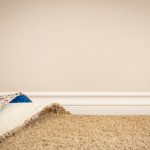 Carpet padding, also known as carpet underlay, is a layer of material that is placed between the carpet and the subfloor. Its primary purpose is to provide additional cushioning and support, enhancing the comfort and durability of the carpet. Carpet padding can be made from various materials, such as foam, rubber, fiber, or even recycled materials.
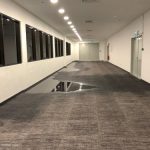 Water damage can be a devastating experience, causing significant harm to your home and belongings. Among the most vulnerable items in a water-related disaster are carpets. Due to the porous nature of carpet fibers, they absorb water quickly and provide an ideal breeding ground for mold and bacteria growth. In order to prevent further damage and restore your carpets to their pre-damaged condition, it is crucial to seek