 Fabric Protection Warranty Plan
Tile Buffing in South Amboy, NJ: When Dull Floors Need More Than a Mop
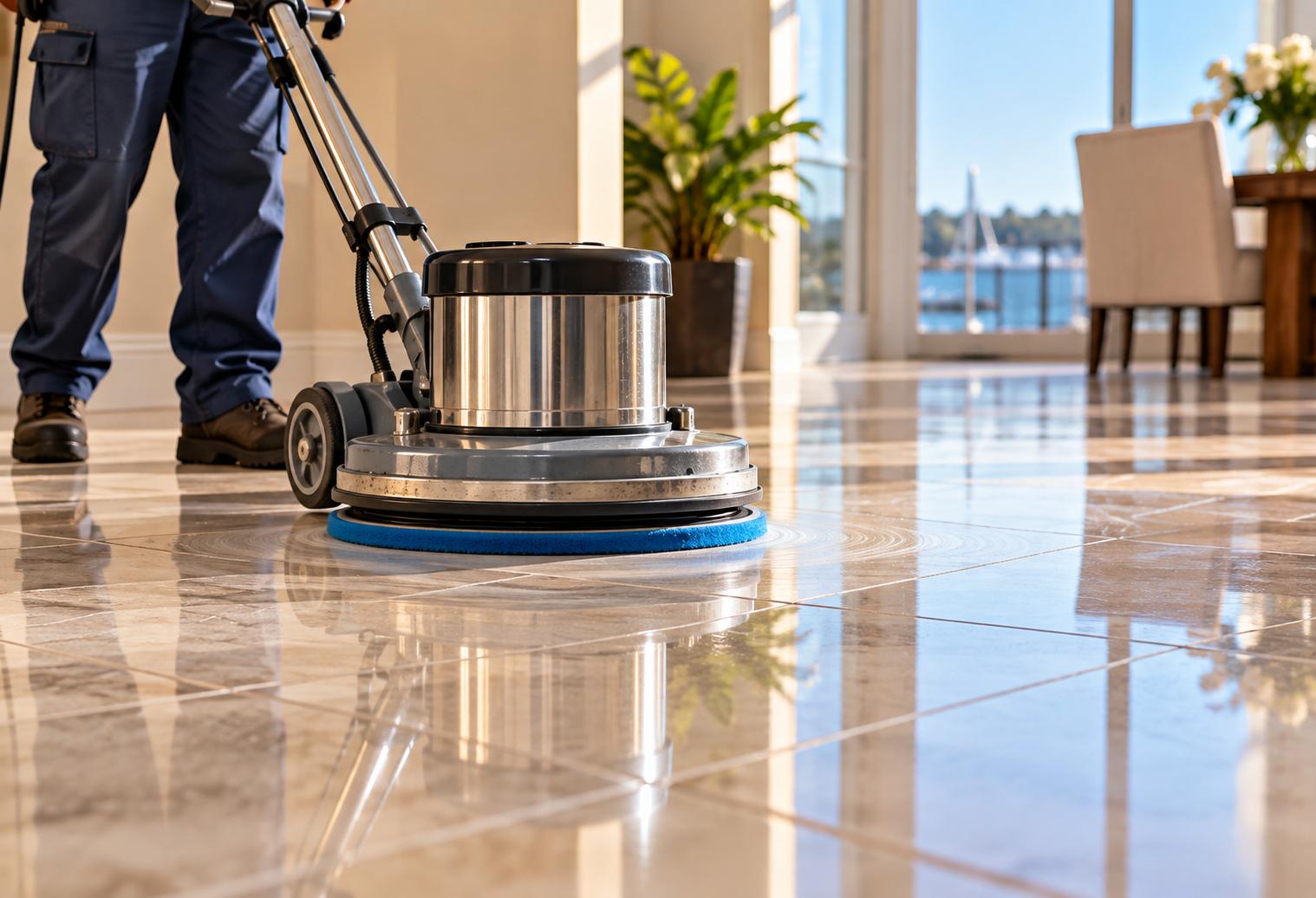
Tile floors are a practical choice for homes and businesses in South Amboy, NJ, but even regularly mopped surfaces can gradually lose their shine. Between tracked-in dirt, winter road salt, moisture, and everyday foot traffic, floors can develop a dull appearance that ordinary cleaning cannot correct. Knowing when tile buffing is appropriate can help property owners restore a cleaner, more attractive finish without unnecessary treatments.
Quick Answer: Tile buffing can improve the appearance of certain dull tile floors by addressing surface haze, light scuffing, and residue that routine mopping leaves behind. However, buffing is not appropriate for every tile material or finish. The best approach depends on whether the dullness comes from buildup, surface wear, damaged coatings, or the tile itself. A professional assessment can help determine whether cleaning, buffing, polishing, or another treatment is needed.
What South Amboy Property Owners Should Know
-
Not all tile can be buffed safely. Ceramic, porcelain, natural stone, and coated floors have different maintenance requirements.
-
Winter conditions matter. Road salt and gritty debris tracked into Middlesex County properties can leave residue and contribute to surface wear.
-
Humidity can complicate cleaning. Moisture and inadequate drying may leave visible streaks or haze on certain floors.
-
Grout requires separate attention. Buffing the tile surface does not necessarily remove embedded dirt or discoloration from grout lines.
-
Professional evaluation can prevent damage. Using the wrong pad, chemical, or polishing method may permanently alter a tile’s finish.
Why Do Tile Floors Lose Their Shine in South Amboy?
Tile floors in South Amboy commonly lose their shine because of accumulated cleaning residue, abrasive debris, surface wear, and moisture-related buildup. Properties near the Raritan Bay waterfront may also experience frequent damp conditions, making proper cleaning and drying especially important for maintaining attractive flooring.
In residential areas near Broadway and the South Amboy waterfront, entryways and kitchens often experience repeated exposure to outdoor dirt. During winter, grit and deicing materials carried indoors on shoes can gradually affect the appearance of tile surfaces.
Commercial properties face additional challenges. Frequent foot traffic, rolling equipment, and repeated cleaning can create uneven wear patterns, particularly near entrances and heavily used walkways.
At Lov n Kare Carpet Center, we understand that dull flooring does not always mean the tile needs replacement. Identifying the material and the source of discoloration is the first step toward choosing an appropriate cleaning or restoration method.
Local Data and Practical Floor Care Observations
Local floor care conditions are influenced by seasonal weather, pedestrian traffic, and the cleaning methods used inside each property. While no property-specific inspection data is available here, several practical observations help explain why tile surfaces in coastal Middlesex County can become difficult to maintain.
Winter creates opportunities for abrasive grit and salt residue to enter buildings. Spring rainfall can increase the amount of mud and moisture carried through entryways. Summer humidity may slow drying in poorly ventilated areas, while year-round foot traffic contributes to gradual surface wear.
These conditions do not automatically mean a floor needs buffing. A tile that appears cloudy after mopping may simply have detergent buildup, while a floor with a worn surface coating may need a different restoration process.
The distinction matters because aggressive buffing can damage some finishes rather than improve them.
How Dull Tile Floors Affect Local Homes and Businesses
Dull tile floors can affect the appearance, maintenance demands, and perceived cleanliness of homes and commercial spaces throughout the South Amboy area. Even when a floor has been cleaned, visible haze, uneven shine, and darkened grout can make the surface look neglected.
For homeowners, this may be especially noticeable in kitchens, bathrooms, hallways, and entryways where overhead lighting highlights surface imperfections.
For businesses along Broadway or near the South Amboy train station, flooring appearance can influence the impression customers receive when entering a space.
Surface buildup may also create maintenance concerns. Certain residues can make floors slippery, while embedded grit can continue contributing to wear.
Addressing these issues early can make routine floor care more manageable.
What Are the Warning Signs That Tile Needs Professional Attention?
Tile floors may need professional attention when dullness persists after appropriate cleaning, surface haze repeatedly returns, or visible wear affects the floor’s appearance. The following warning signs can help South Amboy property owners recognize when routine mopping is no longer producing satisfactory results.
-
Persistent dullness: The floor looks flat or cloudy even after it has been thoroughly cleaned and dried.
-
Uneven shine: High-traffic pathways look noticeably different from areas beneath furniture.
-
Visible scuff marks: Light surface marks remain despite routine cleaning.
-
Recurring streaks: Mop marks or cloudy patches reappear after drying.
-
Dirty grout lines: Grout remains discolored while the surrounding tile looks relatively clean.
-
Sticky or slippery residue: The floor feels coated or unusually slick after cleaning.
-
Worn surface coatings: Previously glossy areas appear patchy, scratched, or inconsistent.
Not every warning sign calls for buffing. Some indicate a need for deep cleaning, grout treatment, coating maintenance, or tile repair.
When Should You Call a Professional for Tile Buffing?
Professional tile floor evaluation is recommended when routine cleaning no longer improves the appearance of the surface or when the tile material and finish are uncertain. This is particularly useful for older Middlesex County properties where previous cleaning products or coatings may be unknown.
Homeowners can safely begin by checking the flooring manufacturer’s maintenance instructions and using an approved neutral cleaner.
However, professional guidance becomes more important when dealing with natural stone, polished surfaces, stubborn residue, or existing coatings.
Attempting to buff an unidentified tile with an abrasive pad can produce scratches or remove the intended finish. A professional can help determine whether mechanical buffing is suitable or whether another treatment would be safer.
What Commonly Causes Dull Tile Floors in South Amboy?
The most common causes of dull tile floors include cleaning product buildup, abrasive foot traffic, mineral deposits, and deterioration of surface finishes. In South Amboy, seasonal weather and everyday activity can contribute to several of these conditions.
1. Cleaning product residue
Using excessive detergent or failing to rinse appropriately can leave a thin film that makes tile appear cloudy.
2. Tracked-in sand and grit
Debris carried indoors from sidewalks, parking areas, and outdoor spaces can create fine scratches on susceptible finishes.
3. Winter salt residue
Deicing materials may leave visible deposits near entrances, particularly during repeated freeze-thaw weather.
4. Moisture and mineral deposits
Water that evaporates on a tile surface can leave mineral residue, depending on water composition and cleaning practices.
5. Worn coatings or finishes
Certain floors have protective coatings that become scratched or uneven over time. These may require specialized maintenance rather than conventional buffing.
Identifying the cause helps prevent unnecessary treatments and recurring problems.
How Can You Prevent Tile Floors From Becoming Dull?
Preventing dull tile floors starts with controlling abrasive debris, selecting suitable cleaning products, and maintaining a consistent cleaning schedule. South Amboy homeowners and businesses can reduce avoidable surface wear by adjusting their routines to seasonal conditions.
During winter, place appropriate entrance mats where road salt and grit are most likely to enter. Clean mats regularly so they do not become additional sources of debris.
In spring and summer, remove tracked-in dirt promptly and avoid allowing dirty water to dry on tile surfaces.
For routine maintenance:
-
Sweep or vacuum with a hard-floor-safe attachment before wet cleaning.
-
Use a cleaner approved for the specific tile and finish.
-
Follow product dilution and rinsing instructions.
-
Avoid abrasive pads unless the manufacturer recommends them.
-
Dry surfaces when necessary to reduce streaking and residue.
-
Inspect grout and protective coatings periodically.
Natural stone requires particular care because acidic cleaners and unsuitable abrasives can damage some stone types.
What Results Can You Expect From Professional Tile Buffing?
Professional tile buffing may improve surface clarity, reduce certain light scuffs, and create a more uniform appearance when the flooring material and finish are compatible with the process. Results depend on the condition of the floor and the cause of its dullness.
For suitable surfaces, buffing may help address superficial wear or improve an existing maintainable finish.
However, buffing cannot reliably remove deep scratches, repair cracked tiles, correct damaged grout, or restore every factory-applied glaze.
Some floors benefit more from professional deep cleaning. Others may require specialized polishing, coating maintenance, or replacement of damaged sections.
A realistic restoration plan should explain which improvements are possible before treatment begins.
Common Tile Buffing Mistakes to Avoid
Tile maintenance mistakes can make dullness worse when aggressive cleaning or polishing methods are used without considering the flooring material. Local property owners can avoid unnecessary damage by recognizing several common errors.
Mistake: Using abrasive pads on glazed tile.
Consequence: The surface may become scratched or permanently dulled.
Better approach: Confirm the manufacturer’s approved cleaning and maintenance methods.
Mistake: Applying additional floor polish to hide haze.
Consequence: Incompatible products can create buildup or an uneven appearance.
Better approach: Identify and remove existing residue using a tile-safe method.
Mistake: Mopping without removing grit first.
Consequence: Loose particles may be dragged across the surface.
Better approach: Sweep or vacuum before wet cleaning.
Mistake: Assuming dirty grout needs buffing.
Consequence: Surface treatment may leave the actual problem unresolved.
Better approach: Consider grout-specific cleaning or restoration.
A Common Local Scenario: Dull Entryway Tile After Winter
A common South Amboy flooring scenario involves an entryway that looks increasingly cloudy after months of winter foot traffic. The homeowner mops regularly, but a grayish film remains, especially near the front door.
The problem may involve a combination of road salt residue, cleaning product buildup, and fine surface scratches.
The appropriate first step is to identify the tile and test a manufacturer-approved cleaning method. If the haze remains, further evaluation can help distinguish removable deposits from actual finish wear.
For some floors, specialized cleaning may be sufficient. For compatible finishes, buffing or polishing may offer additional improvement.
This example illustrates a typical maintenance situation, not a documented customer project.
Which Professional Tile Floor Services Can Help?
Professional tile floor care can involve deep cleaning, grout cleaning, buffing, polishing, or specialized surface treatments depending on the material and condition. Selecting the correct service is more important than automatically choosing the most aggressive restoration method.
At Lov n Kare Carpet Center, we encourage property owners to consider the specific issue before selecting a treatment. Cleaning residue, grout discoloration, worn coatings, and damaged tile surfaces require different solutions.
For a floor that looks dull despite regular mopping, a material-specific assessment can help establish whether buffing is appropriate.
Tile Buffing vs. Deep Cleaning: Which Is Better?
Tile buffing and deep cleaning serve different purposes. Deep cleaning focuses on removing dirt, grease, and residue, while buffing uses mechanical action to improve or maintain certain compatible surface finishes. The correct choice depends on the tile material and the reason the floor looks dull.
| Floor condition | Potential approach |
|---|---|
| Dirt and detergent buildup | Tile-safe deep cleaning |
| Dark or stained grout | Grout cleaning or restoration |
| Light scuffs on a compatible finish | Appropriate buffing |
| Worn natural stone surface | Stone-specific honing or polishing |
| Cracked or severely damaged tile | Repair or replacement |
For South Amboy properties with heavy entryway traffic, cleaning and grit control may be the most effective starting points.
Buffing should only be considered after confirming that the surface can tolerate the process.
Tile Floor Care in South Amboy and Nearby Communities
Tile floor maintenance concerns extend throughout South Amboy and nearby Middlesex County communities, including Sayreville, Perth Amboy, and Old Bridge. Properties across these areas experience similar seasonal challenges involving road grit, moisture, and indoor foot traffic.
Whether maintaining a residential kitchen or a busy commercial entryway, choosing the correct tile care method helps protect the floor’s appearance and condition.
What Happens If You Ignore Dull Tile Floors?
Ignoring dull tile floors can allow residue, abrasive particles, and surface wear to become more noticeable over time. While cosmetic dullness is not always urgent, ongoing exposure to grit or unsuitable cleaning products may contribute to additional deterioration.
For commercial properties, unattractive or slippery flooring can also create maintenance and safety concerns that deserve prompt attention.
Early evaluation may help distinguish a manageable cleaning issue from damage requiring more extensive work.
Frequently Asked Questions About Tile Buffing in South Amboy, NJ
1. Can dull tile floors be made shiny again?
Some dull tile floors can regain a more attractive finish through suitable cleaning, buffing, or polishing. The outcome depends on the material and whether the dullness comes from residue or permanent surface wear. Glazed ceramic and porcelain should not be aggressively polished without confirming the manufacturer’s recommendations.
2. How often should tile floors be buffed in South Amboy?
Tile buffing frequency depends on the floor material, finish, traffic level, and maintenance instructions. Some tile floors should not be buffed at all. Busy commercial entrances may need more frequent professional evaluation than residential rooms, particularly after winter conditions increase tracked-in grit and salt.
3. Is tile buffing safe for porcelain floors?
Tile buffing is not universally safe for porcelain floors. Many porcelain tiles have factory finishes that can be damaged by abrasive polishing. In Middlesex County homes, professional cleaning may be a better choice for dull porcelain. Always verify the tile type and manufacturer-approved maintenance method before mechanical treatment.
4. Can tile buffing remove scratches?
Buffing may reduce the appearance of some superficial marks on compatible surfaces, but it generally cannot eliminate deep scratches or damage to factory-applied glazes. Natural stone may require specialized honing or polishing. A proper assessment helps determine whether visible marks can be improved without further damaging the floor.
5. Why do my South Amboy tile floors look cloudy after mopping?
Cloudy tile floors often result from excess cleaning solution, inadequate rinsing, mineral deposits, or residue left behind as water dries. Winter salt tracked indoors may contribute to visible film near entrances. Using a tile-approved cleaner at the correct dilution can help determine whether buildup is causing the problem.
6. Does tile buffing also clean grout lines?
Tile buffing does not replace grout cleaning. Buffing primarily addresses compatible tile surfaces or their maintainable finishes, while grout often contains embedded dirt that requires separate cleaning methods. For kitchens, bathrooms, and entryways in South Amboy, evaluating both tile and grout can produce a more complete maintenance plan.
7. Is professional tile buffing worth it for a commercial property?
Professional buffing may be worthwhile for commercial flooring designed to tolerate the process, especially when surface wear affects appearance. Businesses in Sayreville, Perth Amboy, and surrounding communities should first confirm the flooring type. Appropriate maintenance can improve presentation while avoiding unnecessary disruption or potentially damaging treatments.
8. Should I buff my tile floors before selling my home?
Buffing may improve the presentation of compatible flooring, but deep cleaning is often the better first step. South Amboy homeowners preparing to sell should identify whether dullness comes from residue, worn finishes, or damaged tile. Selecting the correct treatment can improve appearance without creating additional repair needs.
Bring Back a Cleaner, More Attractive Look to Your Tile Floors
Dull tile does not always need replacement, but it does need the right approach. For property owners in South Amboy and surrounding Middlesex County communities, understanding the difference between cleaning, buffing, and restoration is essential to protecting flooring.
At Lov n Kare Carpet Center, we believe informed floor care decisions begin with understanding the surface and the results each treatment can realistically provide.
Give Your South Amboy Tile Floors the Attention They Deserve
Find out which floor care approach may help improve appearance while protecting your tile’s existing finish.