 Fabric Protection Warranty Plan
Water Damage Carpet Restoration in Red Bank, NJ: What to Do in the First 24 Hours
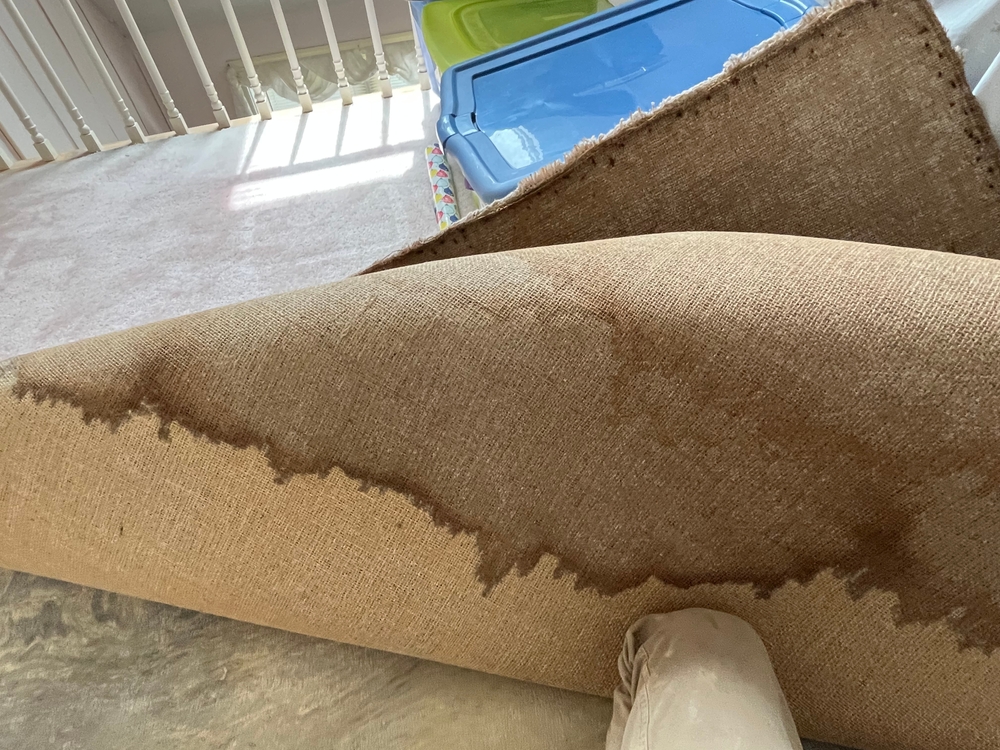
A leaking water heater, overflowing appliance, plumbing problem, or storm-related water intrusion can soak carpeting quickly. In Red Bank, NJ, where properties range from older homes near downtown to commercial spaces and residences closer to the Navesink River, the first 24 hours after water damage can make a major difference in what happens next.
Quick answer: If your carpet has water damage, first stop the water source when it is safe to do so, keep people and pets away from affected areas, and determine whether the water may contain sewage or other contaminants. Remove movable belongings from dry, accessible areas and contact a carpet restoration professional promptly. Fast water extraction and controlled drying can reduce the amount of time moisture remains trapped in carpet, padding, and nearby materials.
What Red Bank Property Owners Should Know
-
Water that looks minor on the carpet surface may have already reached the carpet padding, subfloor, baseboards, or adjacent rooms.
-
Humid conditions in Monmouth County can make passive drying less effective, especially when doors and windows are simply opened without controlling indoor moisture.
-
Properties near the Navesink River and other low-lying parts of the area may face additional concerns when water intrusion follows heavy rain or coastal weather.
-
Water from a clean plumbing source should be treated differently from sewage backups, floodwater, or other potentially contaminated water.
-
Quick professional evaluation can help determine whether carpeting can be cleaned and restored or whether affected materials should be removed.
Why Water-Damaged Carpet Requires Fast Attention in Red Bank
Water-damaged carpet requires fast attention in Red Bank because moisture can travel beneath the visible carpet surface and remain trapped in padding, flooring, and surrounding materials. Local humidity and wet weather can further slow natural evaporation, making prompt extraction and controlled drying especially important.
Red Bank sits along the Navesink River in Monmouth County, and local properties can experience water problems from several directions. Heavy rainfall can contribute to water intrusion, while everyday indoor problems such as leaking pipes, failed appliances, overflowing fixtures, and water heater leaks can cause significant damage regardless of the weather.
Older homes and buildings around downtown Red Bank can also have different flooring assemblies, plumbing configurations, and subfloor materials than newer construction in surrounding communities.
At Lov n Kare Carpet Center, we understand that a wet carpet problem is not just about the fibers you can see. Our focus is on helping local property owners understand the condition of the affected carpet and what restoration steps may be appropriate.
Local Data or Field Observations
For water-damaged carpet, the most useful field observation is that the visible wet area does not always show the full extent of moisture. Water can migrate through carpet backing into padding and along flooring materials, so determining how far the moisture has traveled is an important part of evaluating the damage.
Local conditions matter, too. Warm, humid summer weather in Monmouth County can work against passive drying. Coastal storms and periods of heavy rain can create a different restoration situation than a small, contained plumbing leak.
The source of the water is equally important. A clean-water leak and a sewage backup should not be handled as though they present the same conditions.
How Water Damage Can Affect Local Homes and Businesses
Water damage can affect local homes and businesses by disrupting rooms, damaging flooring materials, creating odors, and leaving moisture in areas that are difficult to dry without proper equipment. For Red Bank businesses, a wet carpet can also interfere with normal customer and employee access.
For homeowners, the impact can spread beyond one visibly wet room. Water can reach carpet padding, tack strips, baseboards, furniture legs, adjoining flooring, and subflooring.
Commercial properties around downtown Red Bank face another concern: downtime. Restaurants, offices, retail spaces, and other local businesses may need affected areas evaluated and dried promptly so appropriate decisions can be made about cleanup and reopening the space.
Warning Signs Your Carpet Needs Professional Attention
Water-damaged carpet needs professional attention when moisture extends beyond a small, easily controlled surface spill or when the water source creates contamination concerns. Signs that the problem may require more than towels and household fans include:
-
Carpet feels damp again after the surface appears dry.
-
Water squishes or moves beneath the carpet when you walk on it.
-
Padding underneath the carpet remains wet.
-
A musty or unusual odor develops.
-
Baseboards or nearby wood materials show swelling or discoloration.
-
The wet area extends into multiple rooms or beneath furniture.
-
Water came from outside flooding, a drain backup, or a sewage source.
-
You cannot determine how far the moisture traveled.
When to Call a Professional for Water-Damaged Carpet
Call a professional when water has soaked through the carpet, reached the padding, spread beyond a small area, or may contain contaminants. Red Bank property owners should also seek help when they cannot safely identify or stop the water source or cannot determine whether underlying materials are still wet.
A small amount of clean water spilled on the carpet may be manageable with immediate blotting and drying. A room affected by a plumbing leak, appliance failure, storm intrusion, or backup is different.
Avoid entering areas where water may have contacted electrical equipment. If sewage or potentially contaminated water is involved, avoid direct contact with the affected carpet and surrounding materials.
Common Causes of Water-Damaged Carpet in Red Bank
The most common causes of water-damaged carpet in Red Bank include plumbing leaks, appliance failures, overflowing fixtures, weather-related intrusion, and backups. The source matters because it affects both the extent of restoration and how safely the carpet can be handled.
1. Plumbing leaks: Aging connections, damaged supply lines, and leaking pipes can release water behind walls or into carpeted rooms before the problem is noticed.
2. Appliance and water heater problems: Washing machines, dishwashers, refrigerators, and water heaters can release enough water to saturate carpeting and padding.
3. Heavy rain and storm intrusion: Monmouth County properties may experience water entry during periods of intense rainfall or coastal weather.
4. Overflowing fixtures: Tubs, sinks, and toilets can quickly spread water into nearby carpeted hallways and rooms.
5. Drain or sewage backups: These situations require additional caution because the water may contain contaminants.
How to Protect Your Carpet During the First 24 Hours
Protecting your carpet during the first 24 hours starts with stopping additional water, protecting occupants, and beginning appropriate extraction and drying as soon as practical. The goal is not simply to make the carpet surface feel dry but to address moisture that may have reached underlying materials.
If it is safe, shut off the source of a clean-water leak. Move dry, portable belongings away from the affected area without walking through questionable water. Keep children and pets out of the room.
Do not assume opening windows is always the best drying strategy. During humid weather around Red Bank, Fair Haven, Little Silver, and the surrounding Navesink area, bringing more humid outdoor air inside may not provide the controlled drying the affected materials need.
DIY cleanup should stop when contamination, electrical hazards, extensive saturation, or hidden moisture may be involved.
What to Expect From Professional Carpet Restoration
Professional carpet restoration should focus on evaluating the water source, determining how much of the carpet system is affected, extracting accessible water, and establishing an appropriate drying plan. Whether carpeting can be restored depends on the source, materials involved, extent of saturation, and condition discovered during evaluation.
Some situations may allow carpet to be cleaned and restored. Others may require removal of padding or other affected materials.
There is no responsible one-size-fits-all answer. A small clean-water incident caught quickly is different from prolonged saturation or water containing sewage or outside contaminants.
Common Water Damage Carpet Restoration Mistakes
The biggest water damage mistakes involve waiting too long, treating only the visible surface, or handling contaminated water like an ordinary spill.
Mistake: Waiting for the carpet to air-dry.
Consequence: Moisture may remain in padding or underlying materials.
Better approach: Evaluate the full affected area and begin appropriate extraction and drying promptly.
Mistake: Assuming dry carpet fibers mean the floor is dry.
Consequence: Hidden materials may remain damp.
Better approach: Check the condition beneath the carpet when significant saturation has occurred.
Mistake: Using household equipment around questionable water.
Consequence: You may expose yourself or equipment to contaminated material.
Better approach: Keep away from sewage or floodwater and seek professional guidance.
Mistake: Delaying because the affected area looks small.
Consequence: Water may have migrated beyond the visible boundary.
Better approach: Consider where the water could have traveled beneath the surface.
A Common Local Water Damage Scenario
A common Red Bank scenario is a homeowner discovering a plumbing or appliance leak after water has already spread across a carpeted room. The visible puddle may be removed quickly, but the carpet remains cool or damp because water has penetrated the padding.
In this situation, the next step is not simply adding more fans. The source and extent of the water damage should be evaluated so the appropriate extraction, cleaning, drying, or material-removal decision can be made.
Related Carpet Restoration Solutions
Carpet restoration solutions may include water extraction, evaluation of affected carpet and padding, cleaning, odor-related treatment, and drying measures appropriate to the specific loss. The right combination depends on where the water originated and how extensively it affected the flooring system.
Our goal is to help property owners understand what can reasonably be restored and what may need a different solution.
DIY vs. Professional Carpet Water Restoration
DIY drying is best reserved for small, clean-water spills that have not significantly saturated the carpet or padding, while professional evaluation is more appropriate for widespread water, hidden moisture, prolonged saturation, or contamination concerns.
Towels, wet vacuums, and household fans have limitations. They may address visible water without confirming what is happening beneath the carpet.
Professional restoration becomes particularly valuable when you need to determine the extent of the affected area and whether carpet, padding, or surrounding materials require additional attention.
Water Damage Carpet Restoration Service Areas
Water damage carpet restoration may be needed throughout Red Bank and nearby Monmouth County communities, including Fair Haven, Little Silver, Shrewsbury, and Middletown. Properties around the Navesink River and surrounding area can face both indoor plumbing incidents and weather-related water problems.
The Cost of Waiting After Carpet Water Damage
Waiting after carpet water damage can allow moisture to remain in flooring materials longer and may make restoration more complicated. Delays can also contribute to persistent odors, deterioration of affected materials, and a larger disruption than addressing the problem promptly.
For a local business, waiting can extend downtime in an affected room. For a homeowner, it may allow a contained problem to involve additional materials.
Frequently Asked Questions About Water Damage Carpet Restoration
How quickly should I respond to wet carpet in Red Bank, NJ?
You should respond to wet carpet as soon as you discover it. Stop the water source if it is safe, restrict access to the area, and determine whether contamination may be present. Prompt extraction and drying are especially useful when water has reached carpet padding or other underlying materials.
Can wet carpet be saved after a leak in Red Bank?
Wet carpet may be restorable depending on the water source, how extensively it was saturated, how long it remained wet, and the condition of the carpet and padding. A clean-water plumbing leak may present different restoration options than outside floodwater, sewage, or another contaminated source.
Should I open my windows to dry wet carpet in Monmouth County?
Opening windows is not always the best choice because outdoor humidity can interfere with controlled indoor drying. During humid or rainy weather in Monmouth County, simply bringing outdoor air inside may not remove moisture effectively. The drying strategy should account for both indoor moisture and current outdoor conditions.
Do I need to replace carpet padding after water damage?
Carpet padding does not automatically require replacement after every water incident, but its condition should be evaluated when water has soaked through the carpet. The appropriate decision depends on the source of the water, degree of saturation, contamination concerns, material condition, and whether the padding can be adequately addressed.
Is stormwater in Red Bank safe to clean up myself?
Storm-related water should be approached cautiously because outside water may pick up contaminants before entering a property. Avoid assuming it is equivalent to clean water from a supply-line leak. If water entered from outdoors or you are uncertain about its source, professional evaluation is the safer approach.
Why does my carpet still smell after it dried?
A lingering odor can indicate that moisture or affected material remains beneath the surface, although odor alone cannot identify the exact cause. Carpet padding, subflooring, baseboards, or other materials may need evaluation. Masking the smell without identifying its source does not address an underlying moisture problem.
What should Red Bank businesses do when commercial carpet gets soaked?
Red Bank businesses should first address immediate safety concerns, stop the water source when possible, restrict access to the affected area, and arrange an evaluation promptly. Commercial restoration decisions should consider moisture beneath the carpet as well as how cleanup and drying may affect customer access and business operations.
When should I call for carpet restoration after a water leak?
You should call when the water extends beyond a small surface spill, has soaked into padding, has spread into other areas, or may be contaminated. Prompt help is also appropriate when you cannot tell how far moisture traveled or whether the carpet and materials underneath are fully dry.
Protect Your Red Bank Property After Carpet Water Damage
The first 24 hours after carpet water damage are about safety, stopping additional water, understanding the source, and addressing hidden moisture rather than just drying the visible surface. For homeowners and businesses throughout the Red Bank area, prompt action can help clarify what can be restored and what additional work may be needed.
Get Help With Water-Damaged Carpet in Red Bank
Get help with water-damaged carpet before a contained problem has more time to affect surrounding materials. We can help you evaluate your carpet restoration options and determine the appropriate next steps for your property.